 Awais Abbasi
 Saira Munsif
Published on: 13 Nov 2026, 1:37 pm
Updated on: 13 Nov 2026, 1:37 pm
Traditional hair removal methods, such as shaving, waxing, and threading, are familiar parts of many personal grooming routines. However, frequent maintenance, skin irritation, and recurring hair growth can encourage people to explore longer-lasting alternatives. In Santa Fe, NM, individuals considering advanced aesthetic treatments may want to understand how these procedures differ from conventional methods. Learning about treatment expectations, preparation, safety, and long-term maintenance can help you make informed decisions based on your skin type, preferences, and desired results.
Understanding the Difference Between Traditional and Advanced Methods
Shaving removes hair at the skin’s surface, while waxing and threading pull hair from the follicle. Although these methods can produce smooth skin, their results are temporary, requiring regular maintenance.
Advanced treatments use different technology to target the structures responsible for hair growth. Laser-based procedures, for example, deliver concentrated light energy that is absorbed by pigment in the hair. This energy damages targeted follicles and can gradually reduce future growth. Unlike conventional methods, these procedures require an assessment of skin tone, hair characteristics, medical history, and treatment suitability.
Professional guidance is particularly important because different devices and settings may be appropriate for different individuals. A consultation can help establish realistic expectations and identify potential safety concerns. For those interested in laser hair removal Santa Fe, NM has local aesthetic professionals who can evaluate skin types and hair growth patterns to recommend suitable treatment options. Understanding these differences helps you decide whether a longer-term approach fits your personal grooming goals.
Why Your Hair and Skin Type Matter
Not everyone responds to advanced hair reduction treatments in the same way. Hair color, thickness, skin pigmentation, and hormonal influences can all affect the results.
Laser treatments generally work best when hair contains sufficient pigment to absorb the light energy. Very light blonde, gray, or white hair may respond poorly because it contains little pigment.
Skin tone also influences device selection and treatment settings. Certain technologies can treat darker skin safely when operated by appropriately trained professionals, but unsuitable settings increase the risk of burns or pigmentation changes. A qualified provider should assess your skin and hair characteristics before recommending treatment.
You should also disclose relevant medications, recent tanning, skin conditions, and previous reactions to cosmetic procedures. This evaluation helps determine whether the procedure is appropriate and what precautions may be necessary.
Preparing Your Skin Before the First Appointment
Switching from waxing or threading to laser treatments requires changes to your usual grooming routine.
Waxing, plucking, and threading remove hair from the follicle, which interferes with the laser’s ability to target it. Providers generally recommend avoiding these methods for several weeks before treatment.
Shaving is usually permitted because it leaves the follicle intact. Your provider will explain when to shave and how much visible hair should remain.
You may also need to avoid tanning, self-tanning products, and certain irritating skincare ingredients before your appointment. Arrive with clean skin and follow instructions concerning lotions, fragrances, and cosmetics.
Preparation requirements vary depending on the treatment area, device, and individual skin characteristics. Following your provider’s specific instructions can improve safety and help prevent avoidable irritation.
What Happens During a Professional Treatment Session
Your first appointment generally begins with reviewing your medical history, treatment goals, and skin assessment. The practitioner may also explain the procedure and discuss potential side effects. During treatment, protective eyewear is required to prevent exposure to laser energy.
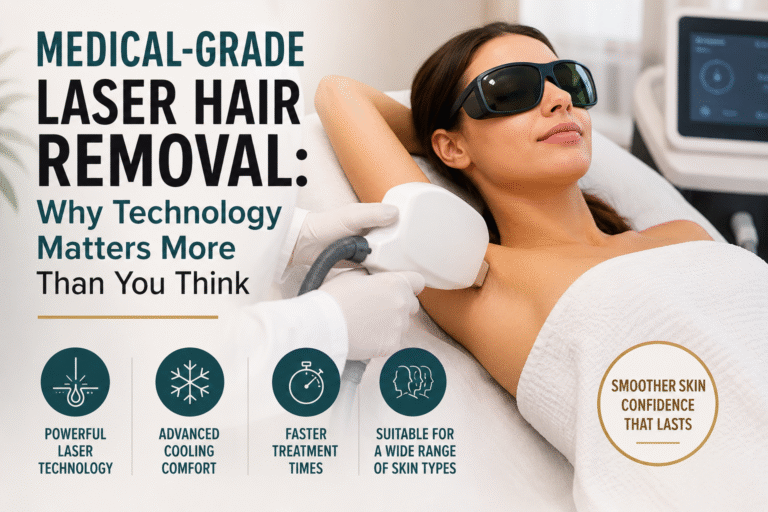
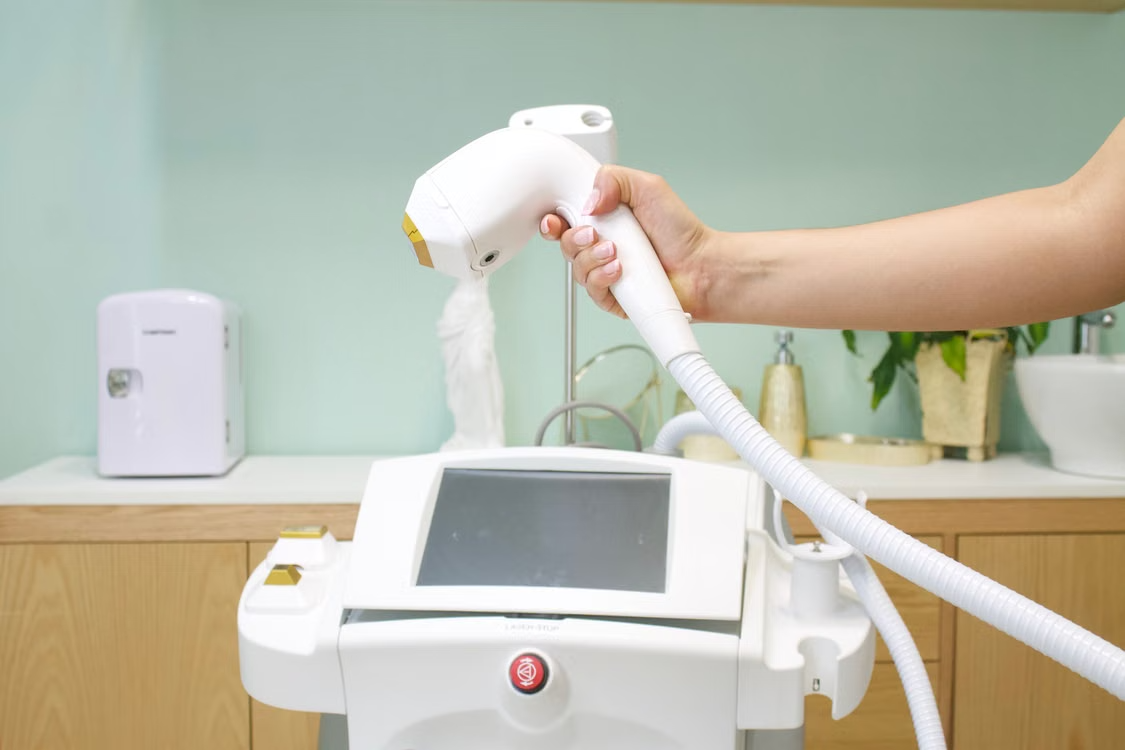
The practitioner moves a handheld device across the designated area, delivering controlled pulses of light to targeted hair follicles. Some people describe the sensation as a brief snapping or warming feeling against the skin. Cooling technology may help reduce discomfort.
Appointment duration depends on the treatment area’s size. Smaller areas may take only a few minutes, while larger areas require more time.
Unlike shaving or waxing, the procedure does not necessarily leave the skin immediately hair-free. Treated hairs gradually shed afterward, making patience an important part of the process.
Understanding Why Multiple Sessions Are Necessary
One major adjustment when switching to advanced treatments is understanding that results develop gradually.
Hair grows through different phases, and laser technology is most effective when follicles are in an active growth stage. Because not every follicle reaches this stage simultaneously, one session cannot effectively target all unwanted hair. Treatment plans therefore involve multiple appointments spaced several weeks apart.
The number of sessions depends on factors such as treatment location, hair density, skin characteristics, and individual response. You may notice reduced growth or finer hair after initial sessions, but complete removal should not be expected.
Hormonal changes can also influence future hair growth, meaning occasional maintenance treatments may be necessary. Understanding this process helps prevent disappointment and encourages realistic expectations about long-term results.
Managing Skin Sensitivity and Aftercare
Temporary redness, mild swelling, and warmth around treated follicles are common after laser procedures. These effects often resolve relatively quickly, although recovery varies.
Your provider may recommend gentle skincare products and avoiding activities that increase irritation. Hot baths, intense exercise, harsh exfoliants, and direct sun exposure may need to be limited for a short period. Daily sun protection is particularly important because recently treated skin can be more vulnerable to pigmentation changes.
Avoid waxing or plucking between appointments, as these methods interfere with subsequent treatments. Although serious complications are uncommon with appropriate care, burns, blisters, scarring, and changes in skin pigmentation are possible.
Contact your provider if you experience unusual pain, blistering, or persistent irritation. Following individualized aftercare instructions supports safer healing and better treatment continuity.
Comparing Long-Term Convenience and Maintenance
Traditional methods provide immediate results but require repeated attention. Shaving may be necessary every few days, while waxing typically involves appointments every few weeks.
Advanced treatments demand more commitment initially because several sessions are required. However, successful treatment can significantly reduce hair growth, potentially decreasing the time spent on regular grooming.
Financial considerations also differ. Shaving and waxing usually involve smaller recurring expenses, while professional laser procedures require a larger initial investment.
Before committing, ask about consultation fees, treatment packages, cancellation policies, and possible maintenance appointments.
Convenience should not be the only deciding factor. Consider your skin sensitivity, treatment suitability, expectations, and willingness to complete the recommended schedule. The most appropriate option is one that balances practical benefits with your personal needs.
Making an Informed Decision About Your Treatment
Choosing an advanced hair reduction procedure should begin with realistic goals and professional guidance rather than promises of permanently smooth skin.
Ask prospective providers about their qualifications, equipment, experience with your skin type, and approach to managing complications. A thorough consultation should explain expected results, possible risks, preparation requirements, and alternative methods when appropriate. It is equally important to feel comfortable asking questions before agreeing to treatment.
Switching from traditional hair removal can offer meaningful benefits, particularly for people seeking reduced maintenance and longer-lasting results. However, successful outcomes depend on appropriate technology, professional expertise, and consistent aftercare.
By understanding the treatment process and setting realistic expectations, you can decide whether advanced hair reduction fits your lifestyle and personal preferences.