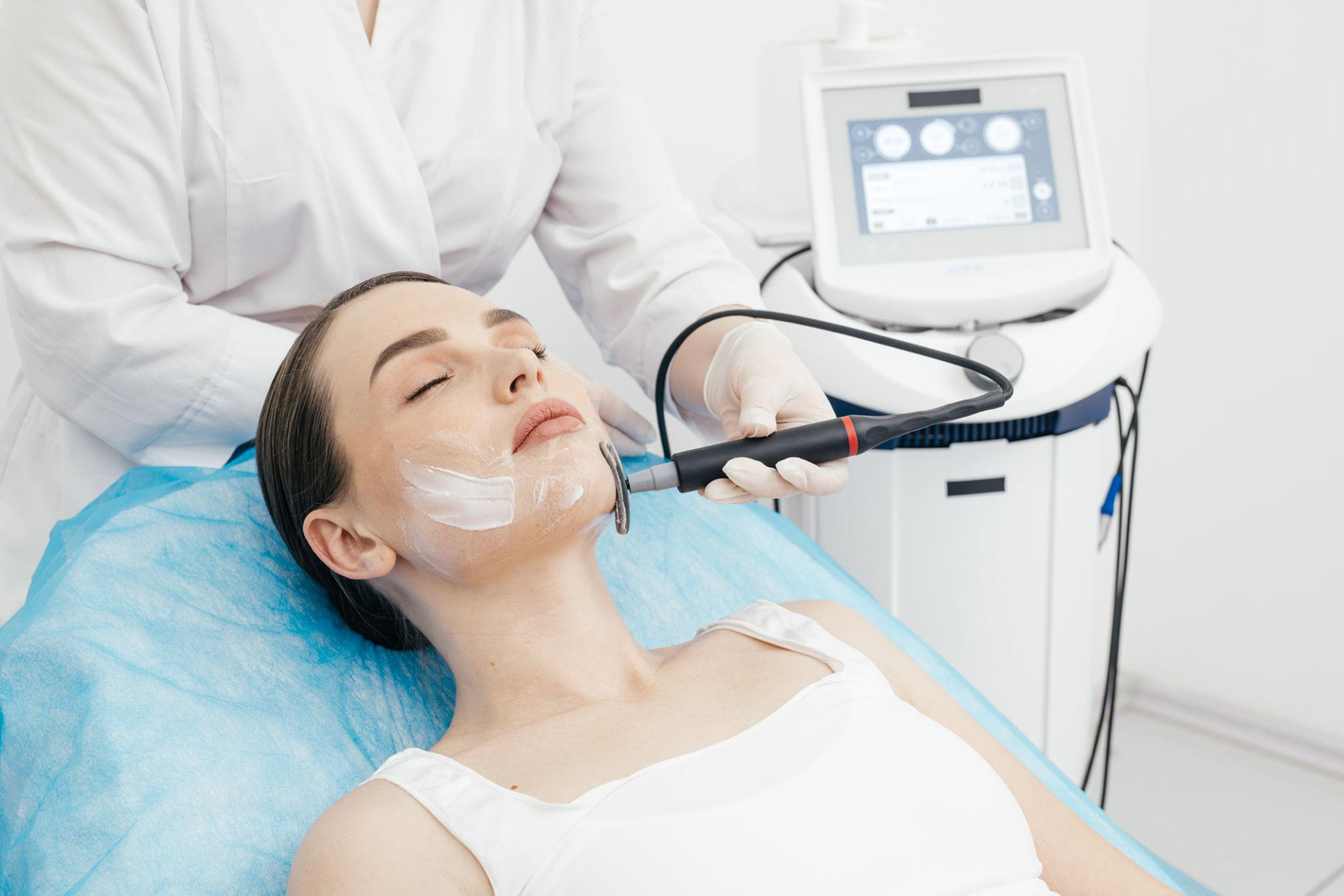
Have you noticed loose skin, fine lines, or a less defined jawline when looking in the mirror? These changes are a natural part of aging, but many people want to improve their skin’s appearance without undergoing surgery. This is where Xerf treatment comes into the conversation. It is an aesthetic treatment associated with non-surgical skin tightening that aims to improve skin firmness and support a smoother, more youthful appearance.
Interest in non-invasive cosmetic procedures continues to grow as people look for options that fit their busy lifestyles. However, choosing a treatment should involve more than looking at attractive before-and-after photographs. You should understand how the technology works, what results may be possible, how much it might cost, and what safety precautions matter.
In this guide, we will explore Xerf treatment in simple English, including its potential benefits, treatment process, expected results, and aftercare. We will also explain how to evaluate a clinic and what questions to ask before booking an appointment.
Editorial note: This article is based on general knowledge of radiofrequency skin-tightening treatments. Live Google search results could not be verified for this response, so product-specific claims, current prices, and clinical statistics should be confirmed with the manufacturer and a qualified medical professional before publication.
What Is Xerf Treatment?
Xerf treatment is a name associated with a non-surgical aesthetic approach to skin tightening using radiofrequency technology. Radiofrequency, often shortened to RF, uses controlled energy to heat targeted tissue. Depending on the device, treatment settings, and the area being treated, this energy may stimulate changes in collagen and support improvements in skin firmness and texture.
Collagen is a protein that gives skin much of its structure and strength. As we age, collagen production and skin elasticity gradually change. Sun exposure, genetics, smoking, and other lifestyle factors can also influence how the skin looks over time. The result may include fine lines, mild sagging, and a softer appearance around the cheeks, jawline, or neck.
One reason people explore treatments such as Xerf is that they want an option between ordinary skincare and surgical procedures. A topical cream may improve hydration or the appearance of fine lines, while surgery can address more significant changes but involves a different level of risk and recovery. An energy-based treatment may be suitable for some people seeking a less invasive alternative.
However, results depend on the specific device, the treatment plan, and the person’s skin condition. Xerf should not automatically be considered suitable for everyone, and claims about its performance should be supported by reliable product-specific evidence.
How Does Xerf Treatment Work?
The Role of Radiofrequency Energy
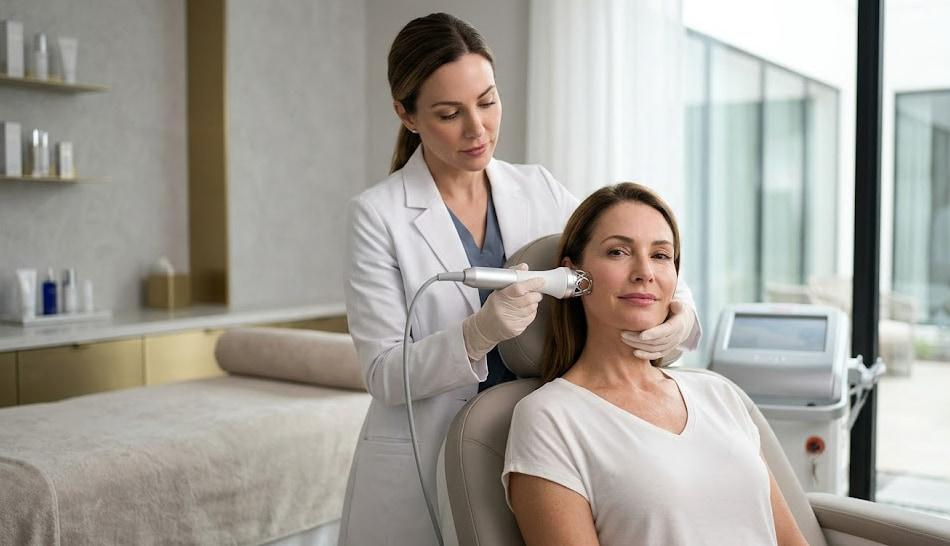
Radiofrequency technology delivers energy into tissue, producing controlled heating within the targeted area. In skin-tightening procedures, this heating is intended to affect collagen-containing tissue and may encourage the body’s natural remodeling process. Over time, these changes can contribute to firmer-looking skin in appropriately selected patients.
The experience varies according to the technology used. Some RF devices use different energy-delivery methods, frequencies, and cooling or comfort systems. Therefore, it is important to confirm the exact technology and approved indications of the particular Xerf device offered by your clinic rather than assuming every RF procedure works in precisely the same way.
During treatment, a qualified provider selects settings based on the treatment area, the device’s instructions, and the patient’s needs. The goal is to deliver energy in a controlled manner while monitoring comfort and protecting the skin.
You may feel warmth or pressure during a session, although sensations vary. A treatment should not be continued through severe pain or an unexpected burning sensation. Tell your provider immediately if something feels wrong.
It is also important to remember that radiofrequency skin tightening is not the same as surgical lifting. It may offer a gradual improvement in selected cases, but it cannot reliably reproduce the effects of surgery for significant loose skin.
Key Benefits of Xerf Treatment
The potential appeal of Xerf treatment is its non-surgical approach to improving skin appearance. Depending on the device’s capabilities and the patient’s suitability, a treatment plan may aim to improve the look of mild skin laxity, support a firmer appearance, or soften the appearance of certain lines.
One potential benefit is avoiding surgical incisions. For people who do not want surgery, this may make an energy-based treatment worth discussing with an experienced aesthetic professional. However, non-surgical does not mean risk-free, and individual recovery experiences can differ.
Another advantage is that some radiofrequency procedures involve little downtime. People may be able to return to normal daily activities relatively quickly, depending on the device, treatment intensity, and their response. Temporary redness, swelling, tenderness, or other skin changes can still occur.
Other potential benefits include:
- Non-surgical approach: Treatment does not involve the incisions used in a surgical facelift.
- Potential improvement in firmness: Suitable patients may experience a modest improvement in the appearance of skin laxity.
- Gradual results: Collagen remodeling can take time, so improvements may develop over several weeks or months.
- Personalized treatment planning: A qualified provider can assess the areas of concern and discuss realistic goals.
- Aesthetic maintenance: Some people may consider treatment as part of a broader skincare and skin-aging plan.
These are potential benefits of the treatment category, not a guarantee of results from Xerf specifically. Before-and-after photographs, independent clinical evidence, and clear information about possible complications are more useful than broad marketing promises.
Which Areas Can Xerf Treatment Target?

The areas suitable for treatment depend on the specific Xerf device, its instructions for use, and the provider’s clinical judgment. People commonly seek non-surgical skin tightening for visible changes around the face and neck, but that does not mean every device is approved for every body area.
Areas that patients may ask about include the lower face, cheeks, jawline, and neck. These are common areas of concern when skin begins to lose firmness with age. A provider can explain whether the device is appropriate for the particular area and whether another treatment may be more suitable.
The expected improvement also depends on the degree of skin laxity. Someone with mild changes may have different expectations from someone with substantial loose skin after significant weight loss. Skin quality, age, medical history, and individual healing responses can all influence the treatment plan.
Avoid choosing a clinic simply because it advertises treatment for numerous areas. Ask which areas are specifically covered by the device’s instructions and whether the provider has experience treating them. This simple step can help you make a more informed decision.
What Happens During a Xerf Treatment Session?
A treatment appointment generally begins with a consultation. The provider reviews your medical history, examines the area you want to treat, discusses your goals, and explains the potential benefits and risks. This is the time to disclose medications, skin conditions, implanted medical devices, previous cosmetic procedures, and any history of abnormal scarring or healing problems.
If the provider considers you a suitable candidate, they should explain the procedure and the device-specific preparation instructions. The skin may be cleaned, photographs may be taken with your consent, and the treatment area may be marked if necessary.
During the procedure, the provider uses the device according to its instructions and the agreed treatment plan. You may notice warmth or pressure. The session’s length depends on the area treated and the device protocol, so it is best to ask the clinic for an estimate instead of relying on a general time advertised online.
After treatment, the provider should explain what skin changes are expected and what symptoms require medical attention. They should also give you written aftercare instructions and discuss whether follow-up appointments are recommended.
A professional consultation should never feel rushed or pressured. If a clinic promises dramatic results without examining your skin or discussing possible risks, consider seeking a second opinion.
Xerf Treatment Results: What Can You Expect?
One of the most common questions people ask is how quickly they will see results. The answer depends on the specific technology, the treatment settings, and the individual’s skin. Some energy-based treatments can produce an early visible change, while other improvements may develop gradually as collagen remodeling takes place.
It is important to separate realistic expectations from advertising claims. Skin tightening is not the same as removing every wrinkle or reversing the aging process. A suitable patient may notice a firmer appearance or a subtle improvement in skin contour, but the degree of change can vary considerably.
Your provider should explain the expected timeline based on evidence for the actual device being used. Ask whether published clinical studies support the claimed results, how long those results typically last, and whether maintenance treatments may be recommended.
Taking standardized photographs before treatment can help you assess changes more fairly. Use similar lighting, facial expressions, and camera angles when comparing photographs. Everyday lighting can make skin appear different even when no meaningful change has occurred.
Remember that results are not guaranteed, and one person’s experience does not predict yours. If a clinic promises a permanent facelift or identical results for every patient, treat that claim cautiously.
Xerf Treatment Cost: What Affects the Price?
The cost of Xerf treatment can vary between clinics and locations. The price may depend on the treatment area, the provider’s experience, the number of sessions recommended, and the clinic’s operating costs. Device availability and whether the procedure is offered as a single session or a package can also influence the final quote.
Because a current, verified price for Xerf treatment has not been established here, it would be misleading to give you a fixed amount. Contact clinics that offer the actual device and request a written breakdown before making a booking.
| Cost factor | Why it matters |
| Treatment area | Larger or multiple areas may require more time and resources. |
| Provider experience | Qualified, experienced professionals may charge different fees. |
| Number of sessions | The recommended plan can affect the total cost. |
| Clinic location | Prices often vary by city and local operating costs. |
| Follow-up care | Check whether reviews, follow-up appointments, or other services are included. |
Do not choose a provider based on the lowest price alone. Confirm that the clinic uses the genuine device, follows appropriate safety procedures, and employs a suitably qualified professional. A low advertised price may not include the full treatment plan or follow-up care.
Possible Side Effects and Safety Considerations
Although radiofrequency skin tightening is non-surgical, it can still cause side effects. Depending on the device and procedure, these may include temporary redness, swelling, discomfort, tenderness, or changes in skin sensation. More serious complications, such as burns, scarring, or unwanted changes in skin appearance, are possible with energy-based procedures.
Your personal risk depends on factors such as the device, treatment settings, the provider’s training, and your medical history. Tell the clinician about any implanted electronic devices, metal implants in or near the treatment area, pregnancy, active skin infections, or relevant medical conditions. These factors do not all create the same level of risk for every device, so the provider should check the manufacturer’s instructions and assess your individual circumstances.
Choose a qualified medical professional who can explain the device’s safety information, contraindications, and available clinical evidence. Ask what training they have received, what complications they have managed, and what happens if you develop an unexpected reaction.
After treatment, contact your provider if symptoms are persistent or concerning. Severe pain, blistering, worsening swelling, or signs of infection require prompt medical assessment. Safety should always come before convenience or cosmetic goals.
Aftercare Tips for Better Results
Following your provider’s instructions can help support recovery and reduce avoidable irritation. Aftercare depends on the particular device and treatment intensity, so there is no single routine that is appropriate for everyone. Your clinic should give you guidance specific to the procedure you received.
In general, gentle skincare is a sensible starting point. Avoid scrubbing or using irritating products on skin that feels sensitive. Use a broad-spectrum sunscreen with SPF 30 or higher when recommended, and protect treated skin from excessive sun exposure. Sun protection also helps reduce the visible effects of ongoing skin aging.
Drink enough water, maintain a balanced diet, and follow a consistent skincare routine. These habits support general skin health, but they should not be presented as ways to guarantee a particular Xerf treatment result.
Avoid scheduling another cosmetic procedure immediately unless your provider confirms that the timing is appropriate. If you experience unusual discomfort or changes in your skin, contact the clinic instead of trying aggressive home remedies.
Who Is a Good Candidate for Xerf Treatment?
Xerf treatment may be worth discussing with a qualified professional if you are concerned about mild skin laxity and prefer to explore a non-surgical approach. However, suitability depends on the device’s approved use, the condition of your skin, your medical history, and the outcome you hope to achieve.
People with significant skin sagging may need a different treatment to achieve their goals. Others may benefit more from skincare, another energy-based procedure, or a consultation with a plastic surgeon. A responsible provider will explain these alternatives rather than insisting that one treatment is right for everyone.
If you have an active skin condition or a medical issue that may affect treatment safety, disclose it before proceeding. The clinician should review the relevant precautions and determine whether treatment is appropriate.
The best candidate is not simply the person who wants younger-looking skin. It is someone whose expectations are realistic, who understands the risks, and who has received an individualized assessment.
Xerf Treatment vs. Other Skin Tightening Options
Several treatments aim to improve skin firmness, but they use different technologies and may produce different outcomes.
| Treatment | General approach | Important consideration |
| Xerf treatment | Associated with radiofrequency-based skin tightening | Confirm the exact device, indications, and supporting clinical evidence. |
| Other RF treatments | Use radiofrequency energy to heat targeted tissue | Technology and treatment protocols vary between devices. |
| Ultrasound-based tightening | Uses focused ultrasound energy | Suitability, comfort, and results depend on the specific system. |
| Surgical facelift | Surgically repositions or removes tissue | More invasive, with surgical risks and recovery requirements. |
| Topical skincare | Uses products such as moisturizers and retinoids | Can support skin quality but generally cannot reproduce a surgical lift. |
There is no universal winner. The right option depends on the degree of skin laxity, your medical history, your budget, and how much improvement you expect. Ask your provider to explain why Xerf is being recommended over alternatives and what evidence supports that recommendation.
How to Choose a Xerf Treatment Provider
Finding the right clinic is just as important as understanding the treatment itself. Look for a licensed, appropriately qualified medical professional with relevant experience in energy-based cosmetic procedures. Verify the clinic’s credentials and ask whether the exact Xerf device is genuine and used according to its manufacturer’s instructions.
Request clear information about the procedure, possible side effects, expected results, and the total cost. Before-and-after photographs may be helpful when they are genuine, consistently photographed, and representative of patients with similar concerns. However, photographs alone are not proof that a treatment will work equally well for you.
Be cautious of pressure to pay immediately, claims of guaranteed results, or advertisements that describe the procedure as completely risk-free. A trustworthy clinic welcomes questions and gives you time to make a decision.
For additional background on skin procedures and safety, consult the American Academy of Dermatology and the US Food and Drug Administration. Their general guidance can help you evaluate cosmetic treatment claims, although it does not replace Xerf-specific documentation or medical advice.
Conclusion
Xerf treatment is an option worth exploring for people interested in non-surgical skin tightening and a firmer-looking appearance. Its potential benefits, recovery experience, and results depend on the specific device, treatment settings, provider expertise, and individual skin condition. Understanding these factors can help you make a more confident decision without relying on unrealistic promises.
Before booking a session, arrange a consultation with a qualified professional, ask for evidence supporting the treatment’s benefits, and confirm the device’s safety instructions. Compare the total cost and discuss other options if Xerf is not suitable for your needs. With realistic expectations, careful provider selection, and appropriate aftercare, you can make a better-informed choice about your skincare goals.
Frequently Asked Questions
1. What is Xerf treatment used for?
Xerf treatment is associated with radiofrequency-based aesthetic skin tightening. Depending on the device and its approved uses, it may be offered to improve the appearance of mild skin laxity. A qualified provider can explain whether it is suitable for your particular concerns.
2. Is Xerf treatment painful?
The experience varies by person and treatment protocol. Radiofrequency procedures may cause warmth, pressure, or discomfort. Your provider should explain what sensations to expect and how discomfort is managed during the procedure.
3. How long do Xerf treatment results last?
The duration of results depends on the device, individual response, and natural aging process. A reliable estimate should come from product-specific clinical evidence and your provider’s assessment. Ask whether maintenance treatments may be recommended.
4. How much does Xerf treatment cost?
Prices vary according to location, clinic, treatment area, and recommended treatment plan. Ask an authorized provider for a detailed quote that includes any follow-up appointments or additional sessions. Avoid relying on unverified prices advertised online.
5. Is Xerf treatment safe for everyone?
No cosmetic procedure is suitable for everyone. Radiofrequency treatments can cause side effects, and certain medical conditions or implanted devices may affect eligibility. Consult a qualified professional who can review your medical history and the specific device’s safety instructions.