 Awais Abbasi
 Saira Munsif
Published on: 13 Nov 2026, 1:55 pm
Updated on: 13 Nov 2026, 1:55 pm
Self-care used to mean a warm bath, an early night, or a weekend away from the phone. Today, modern wellness practices shape care around the individual and build outward from there. In Lexington, people are setting aside one-size-fits-all advice in favor of plans that consider skin, energy, stress, sleep, and daily habits together.
The result is a form of self-care that feels less like a chore and more like a steady investment in how a person looks, feels, and functions every day.
Where Personalized Care Begins
The move toward personalized care often starts when someone realizes that the products and routines that work for a friend do very little for them. Many people visit a med spa expecting a quick fix, only to find they are unsure which treatments suit their skin, their health, or their goals.
A setting that pairs cosmetic treatments with wellness services and a proper consultation helps answer those questions before any decision is made. If you want to try a med spa Lexington has excellent professionals ready to listen to your concerns, explain each option in plain terms, and shape a plan around what you hope to achieve. That first conversation sets the tone for care that feels personal from the very beginning.
Why Generic Routines Fall Short
Most self-care advice is written for an average person who does not really exist. A morning routine that energizes one reader may leave another tired, and a cleanser praised online may irritate sensitive skin. When people follow broad advice without adjusting it, they often give up because the results never arrive.
Generic routines also ignore the stage of life a person is in. A busy parent, a student, and someone nearing retirement face very different demands on their time and bodies. Each of them needs a different balance of rest, movement, nutrition, and care. Treating them all the same leads to frustration and wasted effort.
A personalized approach removes much of this guesswork. Instead of trying every trend, people focus on the few steps that actually make a difference for them. It also helps people feel more in control, because each step has a clear purpose and a reason that makes sense for their body and daily life.
The Role of Listening to Your Body
Personal care depends on paying attention to signals that are easy to overlook. Changes in sleep, appetite, mood, or skin can point to shifts that deserve attention. Many people notice these signs but brush them aside until they become harder to manage.
Learning to listen starts with simple observation. Keeping a short note of how you feel after certain meals, workouts, or late nights can reveal patterns within a few weeks.
Once these patterns are clear, it becomes easier to make small changes that bring real relief. This habit of self-awareness also helps people explain their concerns clearly when they speak with a provider.
How Skin Care Has Become More Tailored
Skin is one of the clearest examples of why personal care matters. Two people of the same age can have very different needs depending on genetics, climate, sun exposure, and lifestyle. One may struggle with dryness and fine lines, while another deals with breakouts, uneven tone, or scarring.
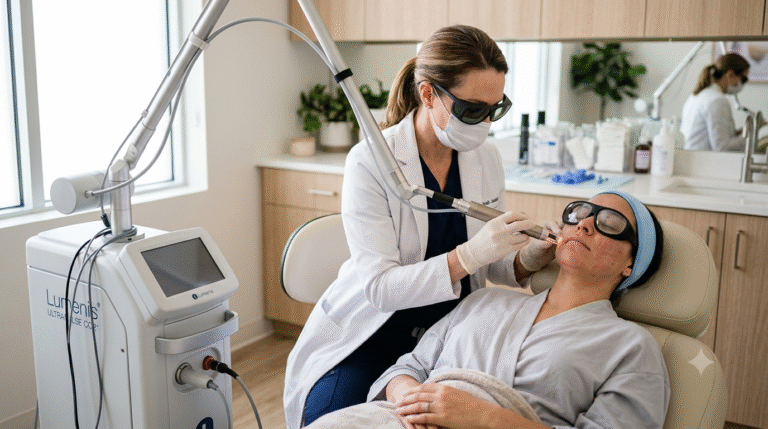
Modern skin care has moved away from long shelves of products toward targeted plans. A good plan considers what the skin needs now, what it may need in the future, and how quickly a person hopes to see change. It often combines gentle daily habits at home with occasional professional treatments for deeper concerns.
This tailored approach also values subtle results. Many people prefer to look refreshed and rested rather than dramatically different.
Connecting Inner Health With Outer Appearance
How a person feels inside often shows on the outside. Poor sleep, dehydration, hormone changes, and constant stress can all affect the skin, hair, weight, and energy. For this reason, modern wellness looks at the whole person instead of treating appearance and health as separate topics.
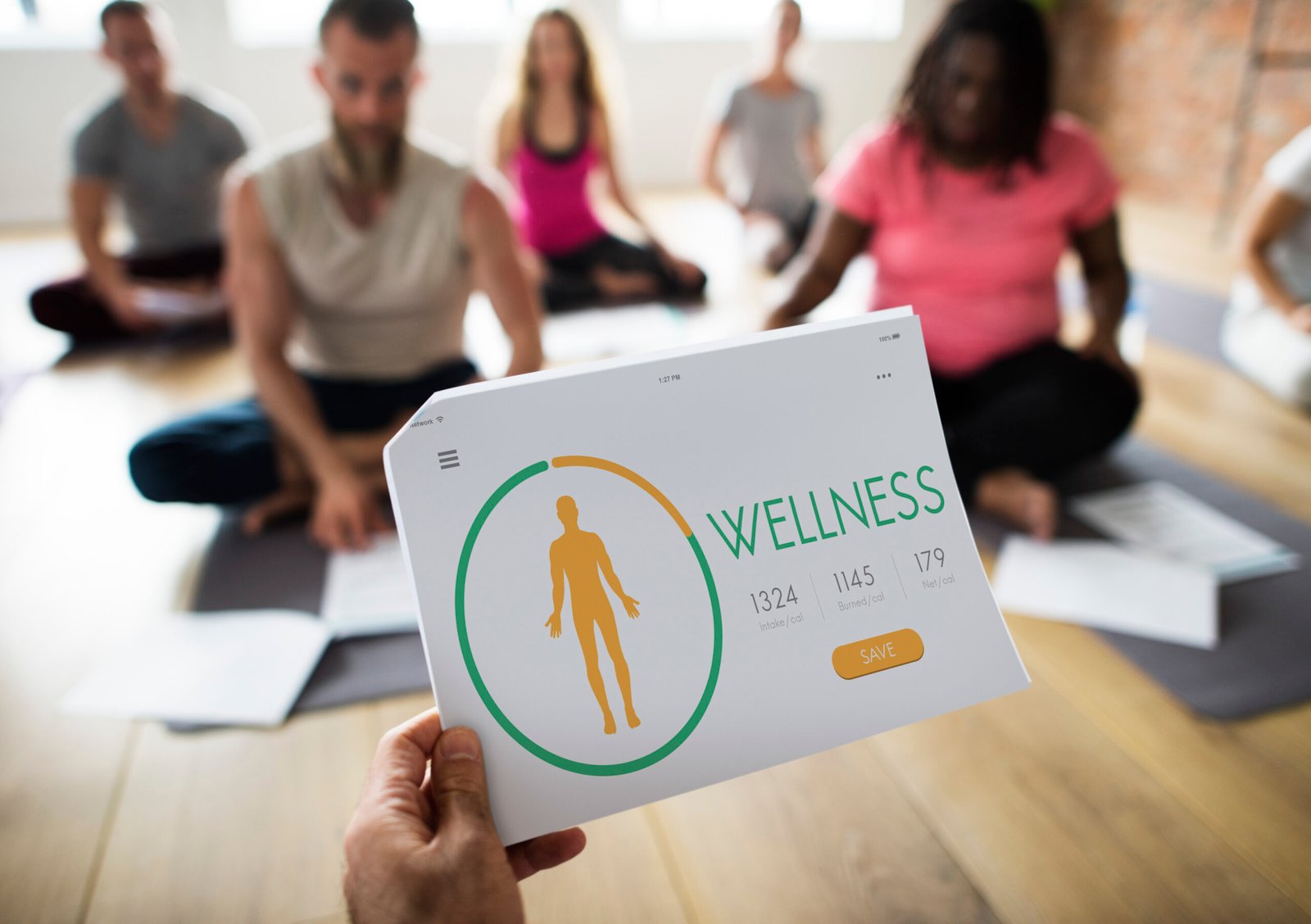
Services such as hydration support, vitamin care, hormone balance, and weight management are now part of many wellness plans. These options can help people feel more energetic and comfortable in their bodies, which often supports the results of skin and cosmetic care as well. The goal is a steady sense of balance rather than a short burst of improvement.
Building Habits That Fit Real Life
Even the best plan will fail if it does not fit into a person’s daily schedule. A routine that takes an hour each morning may look good on paper, but few people can keep it up for long. Personalized care works best when it respects real limits on time, budget, and energy.
Start with a small number of habits that feel manageable. Drinking more water, protecting the skin from the sun, getting regular sleep, and setting aside a few quiet minutes each day can make a noticeable difference. Once these steps become automatic, it is easier to add new ones.
Flexibility matters too. Travel, work deadlines, and family needs will sometimes interrupt a routine. A good plan allows for these breaks without making a person feel they have failed.
The Value of Ongoing Check-Ins
Personal care is not a single decision but an ongoing process. The body changes with age, seasons, and life events, so a plan that worked last year may need adjusting today. Regular check-ins help people stay on track and catch small issues before they grow.
Follow-up conversations also give people a chance to share what is working and what is not. This feedback allows a plan to evolve in a sensible way rather than staying fixed.
Over time, these check-ins turn self-care into a partnership. People gain a clearer understanding of their own needs, and their routines become more effective with each adjustment. This steady, personal attention is what makes modern wellness practices so valuable for anyone hoping to care for themselves in a thoughtful, lasting way.