
Imagine two cosmetologists performing the same facial treatment. One knows only the basic steps. The other understands the client’s skin condition, facial muscles, sensitive areas, and individual facial structure. Which professional do you think will provide a better experience?
The answer is clear.
A cosmetologist who understands facial anatomy can make better decisions, provide safer services, and treat their clients easily and professionally. Instead of simply following a routine, they understand why a technique works and when it should be changed.
Cosmetologists need knowledge of facial anatomy to work safely, choose the right techniques, and deliver real results for clients. Every facial, massage, and skincare service touches skin, muscle, and sensitive tissue. Anatomy knowledge turns guesswork into skill.
A client sitting in your chair is trusting you with something personal — their face and their confidence. That trust deserves more than memorized steps. It deserves understanding.
This guide explains what facial anatomy means for cosmetology specifically, not medicine or injectables. It covers real benefits, practical examples, safety, and career growth.
Facial anatomy helps cosmetologists:
- Avoid injury and discomfort during treatments
- Choose the right pressure and technique per client
- Recommend skincare based on real skin needs
- Explain treatments clearly, building trust
- Adjust services as clients age
- Stand out as skilled professionals, not step-followers
The sections below explain each reason in detail.
What Facial Anatomy Means for a Cosmetologist?
Facial anatomy is the layout of skin, muscles, nerves, blood vessels, and bone beneath the surface. For cosmetologists, this isn’t medical school material.
Here’s what the key terms actually mean in practice:
- Epidermis — the outer skin layer. It’s what you see and touch first.
- Dermis — the deeper layer, holding collagen and elastin. This layer affects skin strength, hydration, and elasticity.
- Facial muscles — control expressions like smiling and frowning. Repeated movement here shapes lines over time.
- Facial nerves — control movement and sensation. Some areas of the face are more sensitive because of nerve density, not just skin thickness.
Understanding the dermis, for example, isn’t about reciting biology. It’s about knowing why one client’s skin holds moisture well and another’s doesn’t — and choosing treatment accordingly.
Why Anatomy Knowledge Matters? The Core Reasons
1. It Prevents Injury and Discomfort
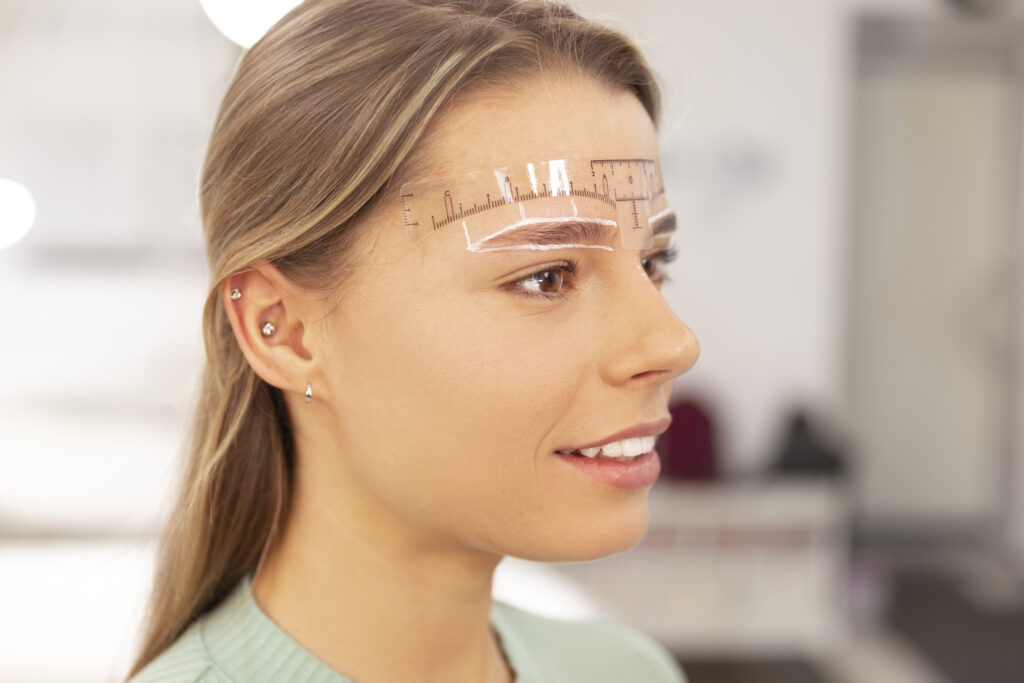
Facial skin isn’t uniform. The skin around the eyes and lips is thinner than the cheeks or jaw.
A cosmetologist who understands this adjusts pressure automatically. Gentle where it’s needed. Firmer where the skin can handle it.
Without that knowledge, the same technique gets applied everywhere. That risks bruising, irritation, or a client who simply feels uncomfortable.
Specific safety benefits anatomy provides:
- Recognizing sensitive zones before applying pressure
- Adjusting technique instead of using one method for everyone
- Knowing when to avoid a treatment for a compromised skin barrier
- Reading how a client’s skin responds mid-service, not after
2. It Improves Skincare Recommendations
Two clients can both have dry skin for completely different reasons. One might have a damaged skin barrier. Another might just produce less natural oil.
Understanding skin layers helps a cosmetologist tell the difference. That leads to product choices based on the client’s actual skin, not the latest trend.
This is where trend-following stops and professional judgment begins.
3. It Makes Facial Massage More Effective
Example: Facial Massage
A cosmetologist who understands facial muscles knows where to apply gentle pressure and where the skin can handle more.
The muscles around the eyes need careful, light movement. Other areas tolerate firmer technique.
Anatomy knowledge also means being able to explain why — which turns a routine massage into a service that feels intentional.
4. It Supports Better Anti-Aging Guidance
Example: Anti-Aging Treatments
A professional understands that wrinkles come from more than age alone. Skin changes, muscle movement, and facial structure all play a role.
Expression lines form differently than lines caused by lost elasticity. Knowing the difference changes the advice you give.
Instead of saying “you have wrinkles,” a knowledgeable cosmetologist explains what kind and recommends care that matches the real cause.
5. It Improves Makeup and Contouring Work
Example: Makeup Application
Understanding facial bone structure helps artists create more accurate contouring and highlighting.
Knowing where cheekbones, jawlines, and brow bones naturally sit means shadows and highlights land where they actually enhance the face — not just where a tutorial says to place them.
How Does Facial Anatomy Knowledge Improve the Client Experience?

Most articles on this topic focus only on what the cosmetologist gains. Clients benefit just as much.
When a cosmetologist understands facial anatomy, clients get:
- Safer treatments, with pressure and technique matched to their skin
- Personalized skincare advice, instead of generic product suggestions
- Better massage technique, tailored to their specific tension points
- More realistic expectations, since anatomy-informed advice avoids overpromising results
- A professional they trust, because explanations come from understanding, not memorized scripts
Clients may not remember every product used during a service. They remember how confident and cared for they felt.
Common Mistakes Cosmetologists Make Without Anatomy Knowledge
Treating every face the same way.
Bone structure, skin thickness, and muscle activity vary by client. One technique doesn’t fit all.
Following trends over client needs.
A popular treatment isn’t automatically right for every skin type.
Over-treating sensitive skin.
Strong exfoliation on a compromised skin barrier causes more harm than good.
Giving vague explanations.
Saying “this is just how I was taught” doesn’t build trust the way a real explanation does.
How This Differs From Aesthetic Injector Training?
Most search results on this topic are written for medical injectors — professionals giving Botox and dermal fillers. That’s a different field with different risks: injection depth, vascular occlusion, danger zones near arteries.
Cosmetologists don’t inject anything. Their anatomy needs to center on:
- Skin sensitivity and technique adjustment
- Muscle awareness for massage and facials
- Skin layer knowledge for product selection
- Aging patterns for treatment planning
If an article focuses mainly on needle depth or filler placement, it wasn’t written for your profession — even if it ranks for a similar search term.
Where Facial Anatomy Knowledge Is Heading?
Cosmetology is becoming more science-informed, not less. A few trends make anatomy knowledge more valuable, not less:
- Personalized skincare is replacing generic product lines
- Non-invasive treatments are growing in client demand
- Beauty technology — skin analysis tools, advanced devices — requires understanding what’s happening beneath the skin to use safely
- Clients research more before booking, and expect professionals who can explain, not just perform
Cosmetologists who build strong anatomy knowledge now are better positioned as the industry keeps moving this direction.
How to Learn Facial Anatomy as a Cosmetology Student?

Cosmetology school introduces the basics. Real skill comes from ongoing practice.
Effective ways to build anatomy knowledge:
- Take advanced cosmetology or skincare courses
- Study anatomy diagrams and facial charts
- Observe skin and muscle response during real client sessions
- Ask instructors practical, situation-based questions
- Practice explaining techniques out loud — teaching forces real understanding
Visual learning helps most. Since the face is something cosmetologists see every day, connecting anatomy to real clients makes it easier to remember than textbook study alone.
Frequently Asked Questions
Why do cosmetology students study facial anatomy?
Facial anatomy teaches students how skin, muscles, and tissue respond to treatment. This builds the foundation for safe, effective services from the start of their career.
How does facial anatomy improve skincare treatments?
It helps cosmetologists tell the difference between skin issues that look similar but have different causes, leading to more accurate product and treatment choices.
What parts of facial anatomy should cosmetologists understand?
The essentials are skin layers, facial muscles, sensitive nerve areas, and bone structure — enough to guide technique and product decisions, not medical-level detail.
Can facial anatomy knowledge improve facial massage techniques?
Yes. Understanding facial muscles helps cosmetologists apply the right pressure in the right areas, making massage both safer and more effective.
How does anatomy knowledge help cosmetologists create personalized treatments?
It allows professionals to look past surface symptoms and treat the actual cause — customizing care instead of applying the same routine to every client.
How is this different from what aesthetic injectors study?
Injectors study anatomy for needle placement and injection safety. Cosmetologists study it for massage technique, skincare selection, and client safety during non-invasive services.
Final Takeaway
Facial anatomy knowledge allows cosmetologists to work smarter, not just harder. It helps them understand their clients, avoid mistakes, and create results that feel more personalized and professional.
Cosmetologists who understand the face treat it with more precision, explain their choices with confidence, and build the kind of trust that keeps clients coming back.