 Awais Abbasi
 Saira Munsif
Published on: 13 Nov 2026, 1:21 pm
Updated on: 13 Nov 2026, 1:26 pm
Every smile, frown, and raised brow is powered by small muscles that sit just beneath the skin. These movements help people share joy, surprise, and concern without saying a word. Over many years, however, the same motions fold the skin along the same paths again and again, and those folds slowly turn into lasting lines.
For people in Orlando, where bright days are common throughout the year, understanding how muscles and skin work together is a helpful first step toward keeping the face looking rested and healthy.
How Expression Lines Can Be Softened Safely
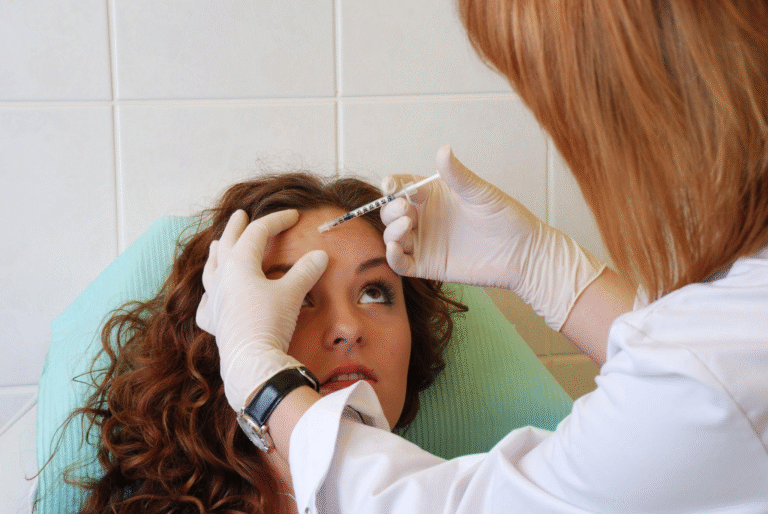
Many people first notice lines on the forehead, between the brows, or at the outer corners of the eyes, which are the places where the face moves the most. Botox is widely known for softening these creases, which form when the muscles beneath them tighten so often that the skin above can no longer smooth itself out.
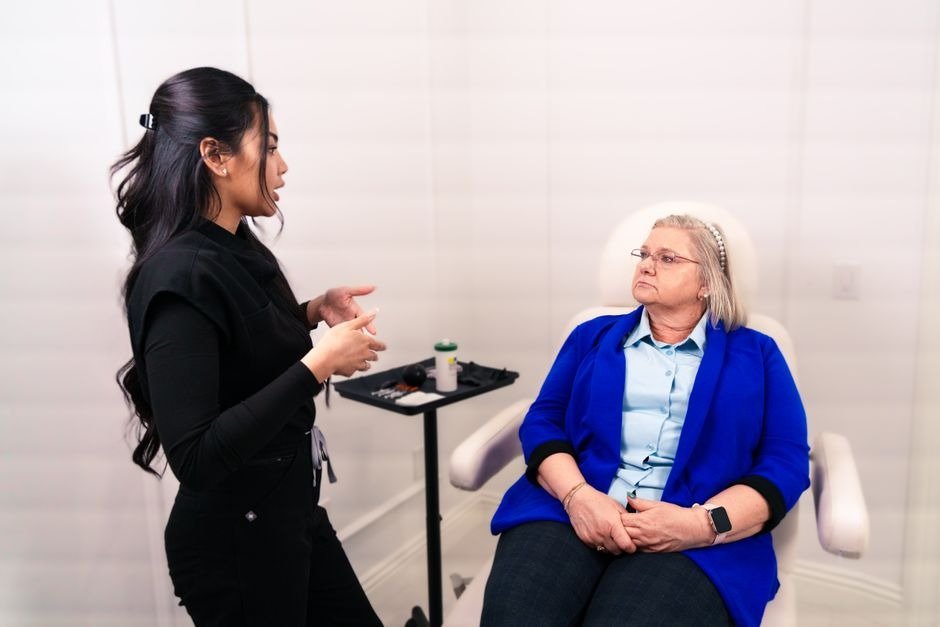
Treatments of this kind belong to a group of muscle-relaxing injections that quiet the nerve signals behind repeated movement, allowing the skin on top to rest and appear smoother. If you live in Orlando Botox specialists in the area can help you understand how the treatment softens these lines while keeping every expression natural. Over the following weeks, the deepest creases begin to ease, and the face still shows warmth and emotion.
How Facial Muscles Shape the Skin Over Time
Unlike most muscles in the body, many facial muscles attach directly to the skin. When one of these muscles tightens, the skin above it bunches up in a fold. In youth, the skin springs back the moment the muscle relaxes. With time, that spring weakens, and the fold begins to leave a faint mark even when the face is still.
Strong, frequent expressions speed this up. A person who squints a lot will usually see fine lines near the eyes before anywhere else. Someone who frowns while reading or concentrating may develop two vertical lines between the brows. Each face tells the story of the expressions it uses most, which is why lines appear in different places for different people.
The Difference Between Moving Lines and Resting Lines
Skin experts often separate lines into two groups. Dynamic lines show up only when the face moves. They appear when a person laughs or lifts the brows, and they vanish when the face relaxes. Static lines stay visible at rest. They are the result of years of folding, combined with skin that has lost some of its firmness.
Most static lines begin as dynamic ones. This is why early attention matters. When moving lines are noticed and cared for early, they are less likely to settle into permanent creases. Gentle habits, good skin care, and protection from damage can all help slow the shift from one type to the other.
Why Collagen and Elastin Matter for Firm Skin
Beneath the surface, two proteins keep the skin strong and flexible. Collagen gives the skin its structure and thickness, much like the frame of a building. Elastin allows the skin to stretch and return to its shape, the way a rubber band snaps back after being pulled.
The body makes plenty of both in early adulthood, but production slows gradually with age. The existing supply also breaks down faster due to sun exposure, smoking, poor sleep, and stress. As these proteins thin out, the skin becomes less able to recover from constant folding. Muscle movement that once left no trace starts to leave a visible line.
Supporting collagen and elastin is one of the most useful things a person can do for long-term skin health. Daily sun protection, a balanced diet, and a gentle skin care routine all help the body hold on to these proteins for longer.
Everyday Habits That Deepen Creases
Many small daily actions add extra strain to the face. Squinting at a phone or computer screen, especially in low light, keeps the muscles around the eyes working for hours. Sleeping with the face pressed into a pillow can create lines along the cheeks and forehead that slowly become harder to shake off each morning.
Smoking is another major factor. The repeated pursing of the lips can form fine lines around the mouth, and the chemicals in smoke damage the proteins that keep the skin firm. Frequent frowning during stressful moments also trains certain muscles to stay tense, even during calm moments.
How Sunlight and Heat Affect the Face
Sunlight is one of the biggest outside causes of early aging. Its rays reach deep into the skin and break down the structure that keeps it smooth. Over time, sun-damaged skin becomes thinner, drier, and more likely to crease along lines of movement.
Bright light also causes people to squint, which adds more muscle activity around the eyes. Heat can leave the skin dehydrated, and dry skin shows lines more clearly than skin that is well hydrated. Wearing a broad-spectrum sunscreen every day, choosing sunglasses with good coverage, and wearing a wide-brimmed hat outdoors can protect both the skin and the muscles around the eyes.
Hydration, Sleep, and Nutrition for Healthier Skin
What happens inside the body shows on the face. Drinking enough water helps the skin stay plump and soft, which makes fine lines look less noticeable. A moisturizer suited to the skin type locks that moisture in and supports the skin’s natural barrier.
Sleep is when the body does much of its repair work. During deep rest, the skin rebuilds damaged cells and renews its surface. Regular short nights can leave the face looking tired and can weaken this natural repair cycle.
Daily food choices matter just as much. Fruits and vegetables rich in vitamin C help the body produce collagen. Healthy fats from fish, nuts, and seeds help the skin hold moisture. Cutting back on sugar may also help protect the skin’s firmness.