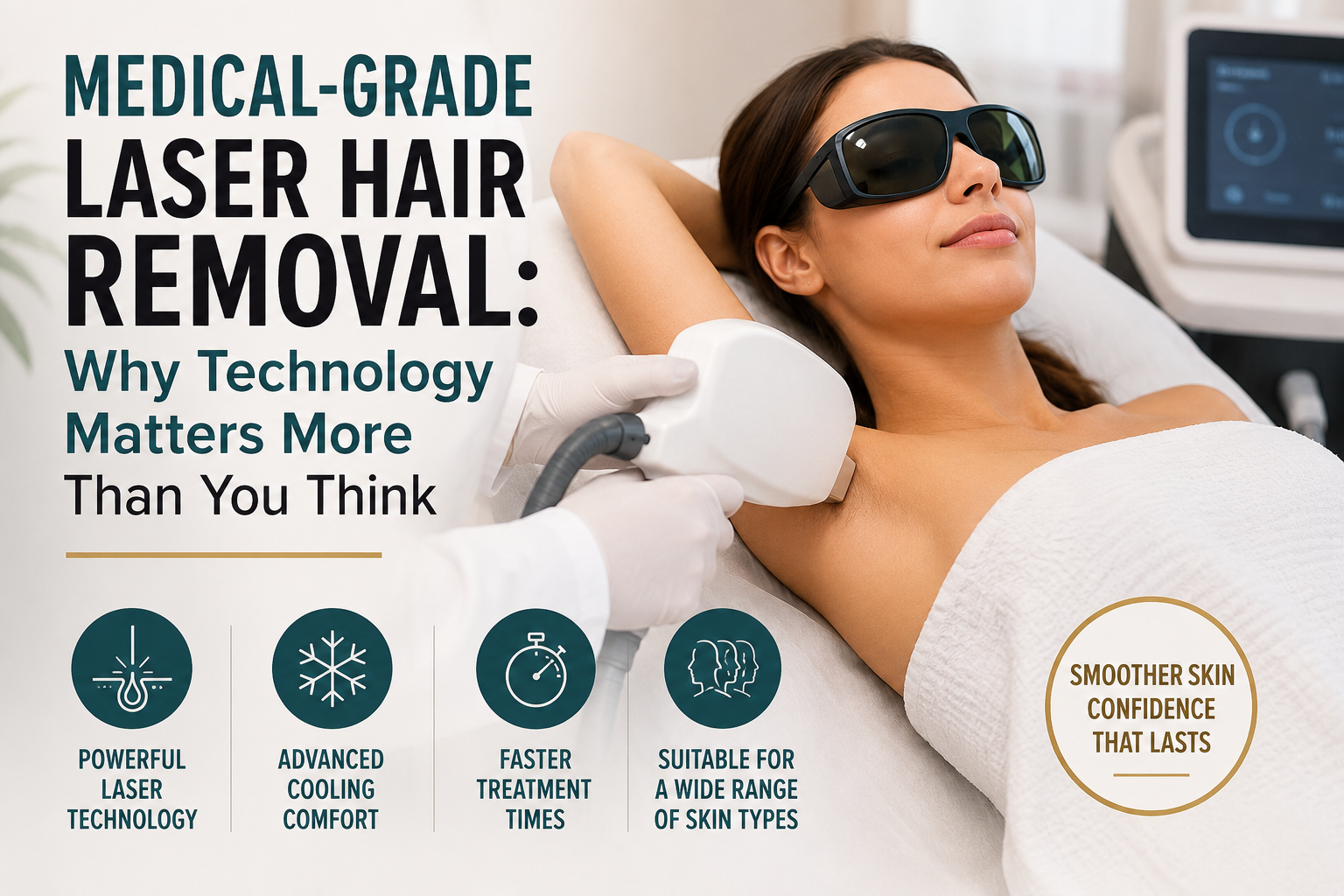
Laser hair removal has become one of the most popular alternatives to shaving, waxing and other temporary hair-removal methods. Yet while many clinics offer some form of laser treatment, the technology behind the treatment can vary considerably. That difference matters because the device, settings, cooling system and practitioner’s experience can all influence how effectively and comfortably hair is treated.
For anyone considering medical-grade laser hair removal, it is worth looking beyond the price or the number of sessions included in a package. The type of laser being used can have a significant impact on treatment speed, comfort and long-term hair reduction.
Modern systems such as Primelase HR are designed to deliver high-powered diode laser treatment while incorporating technologies intended to improve patient comfort and treatment efficiency. However, the machine is only one part of the equation. A proper consultation, appropriate settings and an experienced practitioner remain essential.
What Is Medical-Grade Laser Hair Removal?
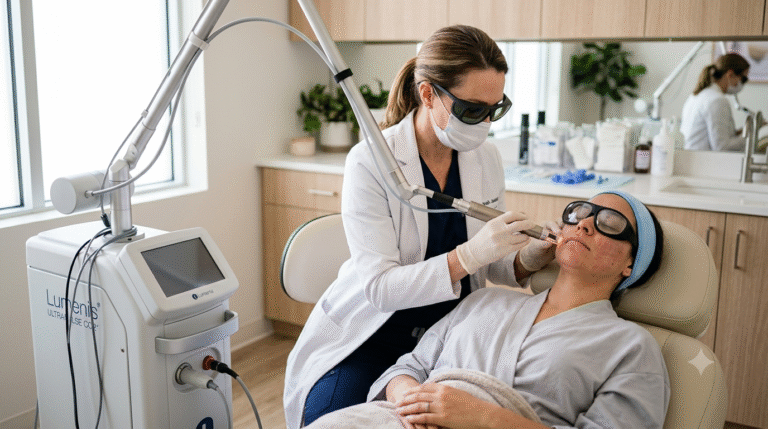
Laser hair removal works by directing concentrated light energy towards the pigment in the hair. The energy is absorbed by the hair shaft and converted into heat, which travels towards the follicle. When sufficient energy reaches the follicle, its ability to produce a new hair can be reduced.
The objective is generally not to make every hair disappear permanently after a single appointment. Instead, a properly planned course of treatment aims for permanent hair reduction, meaning a long-term and stable reduction in the amount of hair that grows back.
The term “medical-grade” is often used to distinguish professional laser systems from lower-powered consumer devices or treatments that use different technologies. Professional systems can offer more sophisticated control over factors such as wavelength, pulse duration, energy and cooling.
That control is important because different areas of the body and different skin and hair characteristics can respond differently to laser energy. The goal is to deliver enough energy to target the follicle while protecting the surrounding skin.
The technology also needs to be matched to the individual. Skin tone, hair colour, hair thickness, treatment area and recent sun exposure can all influence how a practitioner approaches a session.
This is one reason why a professional consultation should happen before treatment begins rather than relying solely on a standard package or generic settings.
Laser Hair Removal vs IPL
Laser hair removal and IPL are sometimes grouped together because both use light to target hair. However, they are not identical technologies.
How Each Works
A laser produces a more concentrated beam of light at specific wavelengths. This allows professional laser systems to target hair follicles with controlled energy.
IPL, or intense pulsed light, uses a broad spectrum of light rather than the more specific wavelengths produced by a laser. Filters are used to control which portions of that light reach the skin.
Both approaches rely on the contrast between the hair and surrounding skin to target the pigment within the hair. However, technology and energy delivery are different.
Effectiveness
Results vary from person to person with either technology. Hair colour, skin type, hair thickness, hormonal factors and treatment settings all influence the outcome.
Professional laser systems can provide highly controlled treatment parameters and are commonly used for long-term hair reduction. IPL can also reduce hair growth, but it should not automatically be treated as equivalent to a professional laser system simply because both use light.
For someone comparing clinics, asking exactly which technology is being used is therefore more useful than simply asking whether a clinic offers “laser hair removal.”
Treatment Times
Treatment time depends heavily on the body area and the machine being used. Larger treatment areas such as the legs, back or full body require considerably more time than smaller areas such as the upper lip or underarms.
Modern laser systems can use large treatment spots and rapid pulse delivery, helping practitioners cover larger areas more efficiently. Primelase, for example, is designed around high-speed treatment and multiple spot sizes.
Comfort
Comfort can also differ between machines and individuals. During laser treatment, people commonly describe the sensation as a brief snapping, warming or pinching feeling.
Cooling technology can make a significant difference. By cooling the surface of the skin during treatment, a professional system can help reduce discomfort while also helping protect the skin from excessive heat.
Long-Term Results
Neither laser nor IPL should be presented as a guaranteed way to eliminate every hair forever. Hair grows in cycles, and not every follicle is equally responsive at the same point in time.
The realistic objective is sustained reduction in hair growth over a course of treatments, followed by maintenance when necessary.
For people researching results, looking at genuine laser hair removal before and after photographs can be useful, provided they understand that individual results can vary and photographs do not replace a professional assessment.
Why the Laser Machine Makes a Difference
A laser machine is not simply a box that produces light. Its wavelength options, power, pulse duration, spot size and cooling system all influence how treatment can be delivered.
This is where systems such as Primelase HR can offer advantages over basic equipment. Primelase is a high-powered diode laser platform developed for professional hair removal and incorporates different wavelengths and treatment configurations. Its manufacturer describes the system as being capable of treating a broad range of skin phototypes, with cooling and high-speed treatment capabilities.
One notable feature is its cooling technology. Primelase uses Crystal Freeze technology, which cools the skin through a sapphire contact system. Cooling is particularly important during high-energy treatments because it can improve comfort and help manage heat at the skin’s surface.
Speed is another consideration. Larger treatment spots and rapid pulse delivery can allow practitioners to cover areas more quickly. This does not mean that faster is automatically better. The practitioner still needs to select appropriate settings for the individual’s skin and hair.
The broader lesson is that laser technology matters because it gives the practitioner tools. A sophisticated system can provide more flexibility, but those capabilities only become useful when the person operating the device understands how to use them appropriately.
It is therefore worth considering both the machine and the person using it.
How Hair Growth Cycles Affect Results
One of the biggest misconceptions about laser hair removal is that all hair is treated at the same stage of growth.
Hair follicles move through different phases, including an active growth phase known as anagen. Laser treatment is generally most effective when the hair is in a suitable active growth stage because the follicle contains the structures needed to absorb and transfer the laser’s energy effectively.
At any given time, however, not every follicle is in that stage.
This is why multiple sessions are necessary.
A person may notice that some hairs shed after a treatment while other hairs continue growing normally. This does not necessarily mean the treatment has failed. Those remaining hairs may have been at a different stage of their growth cycle when the appointment took place.
Sessions are therefore normally spaced apart to give different groups of follicles an opportunity to reach a more responsive stage.
The number of sessions required varies according to the treatment area, hair characteristics, hormonal influences and individual response. Some people may require maintenance appointments after completing their initial course, particularly when hormonal factors influence hair growth.
Consistency is important, but so is patience. Laser hair removal is a process rather than a one-time procedure.
Who Is a Good Candidate?
Laser hair removal can be suitable for both women and men, although suitability depends on individual circumstances rather than gender.
Women
Women commonly seek treatment for areas such as the legs, underarms, bikini area, face and arms. Darker, coarser hair often responds well because it provides a stronger target for the laser energy.
Facial treatment requires particular care because facial hair can behave differently from body hair, especially when hormonal factors are involved.
Men
Men may choose laser treatment for the back, chest, shoulders, neck, beard area or other areas where shaving and waxing are inconvenient.
Men’s hair is often thicker and more deeply rooted, which can make treatment planning particularly important.
Facial Hair
Facial hair can be treated with laser, but expectations need to be realistic. Facial hair may be influenced by hormones, and some individuals may need more sessions or ongoing maintenance.
Fine or very light hair can also be more challenging because laser energy relies heavily on pigment within the hair.
PCOS and Hormonal Hair Growth
People with conditions such as PCOS may experience increased or persistent hair growth because of hormonal influences.
Laser treatment can still reduce unwanted hair, but it does not correct the underlying hormonal cause. New hair growth may continue to appear, meaning that additional treatments or maintenance appointments may be necessary.
Anyone experiencing sudden or unusual changes in hair growth should discuss the issue with an appropriate healthcare professional rather than assuming that cosmetic treatment alone is the answer.
Ingrown Hairs
Ingrown hairs are another reason people consider laser treatment. Repeated shaving or waxing can contribute to irritation and ingrown hairs in susceptible individuals.
Reducing the amount of hair that grows back can help some people experience fewer problems with recurring ingrown hairs. However, results vary depending on the underlying cause and the individual’s skin and hair characteristics.
Choosing the Right Clinic
Choosing a clinic should involve more than comparing prices.
A reputable provider should be willing to explain the technology being used, discuss realistic expectations and assess whether the treatment is appropriate for you.
Patch Testing
A patch test is an important part of responsible treatment planning. It allows the practitioner to assess how the skin responds to the selected settings before proceeding with a larger treatment area.
This can be particularly important when treating people with different skin tones, sensitive skin or recent changes in sun exposure.
Consultation
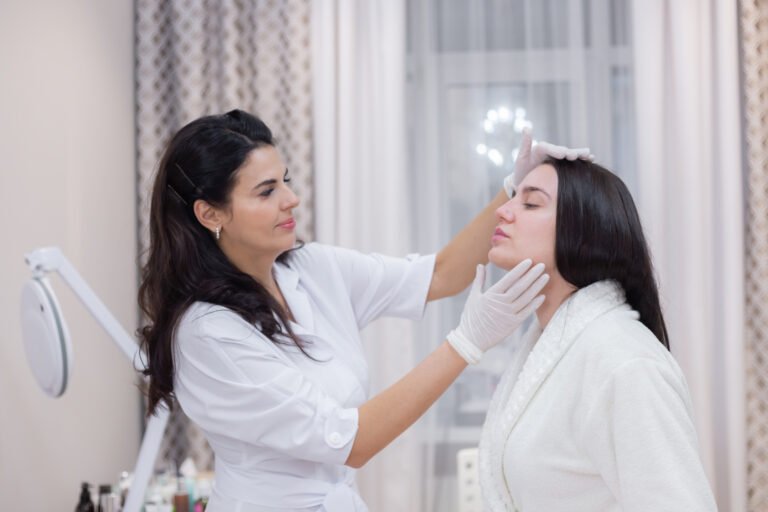
A proper consultation should cover your skin type, hair characteristics, treatment history, medications or relevant circumstances, previous reactions and your expectations.
The practitioner should also explain preparation requirements and what you can realistically expect from a course of treatment.
Be cautious of clinics that promise guaranteed results or claim that one particular machine will produce identical results for everyone.
Qualified Practitioners
Even advanced equipment cannot replace practitioner knowledge.
The person performing treatment needs to understand how to assess skin and hair characteristics, select appropriate settings and recognise when treatment should be modified or postponed.
The quality of the equipment and the experience of the practitioner should therefore be considered together.
Aftercare
Aftercare is another important part of the process. Patients are generally advised to protect treated skin from unnecessary sun exposure and follow the clinic’s specific instructions.
Depending on the treatment area and individual circumstances, practitioners may recommend avoiding certain products, heat or activities for a period after treatment.
Following aftercare advice helps minimise unnecessary irritation and supports the recovery of the treated skin.
Conclusion
Laser hair removal has come a long way, but the technology behind a treatment still matters. A professional system can offer greater control over energy delivery, cooling, treatment speed and wavelength selection, while appropriate settings and skilled operation help turn that technology into an effective treatment.
Primelase HR is one example of a modern professional diode laser platform designed around high-powered treatment, cooling and versatility across different skin phototypes.
However, the machine should never be the only factor when choosing where to have treatment. Consultation, patch testing, practitioner experience, realistic expectations and proper aftercare are equally important.
For anyone considering medical-grade laser hair removal, the best approach is to choose a reputable clinic that combines appropriate professional equipment with knowledgeable practitioners and responsible treatment protocols. Clinics such as Lazer Lounge, where medical-grade technology such as Primelase is available, provide an example of why it is worth looking beyond a headline price and asking what technology and expertise are actually behind the treatment.
Ultimately, successful laser hair removal is not simply about finding the most powerful machine. It is about finding the right combination of technology, treatment settings, practitioner expertise and realistic expectations.