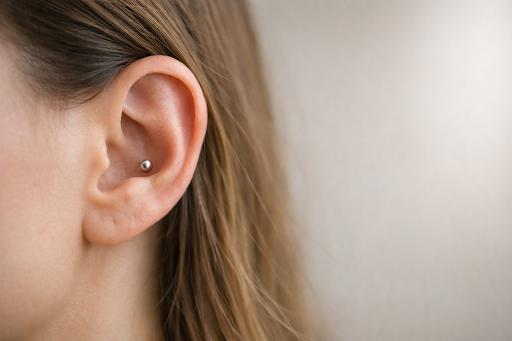
A conch piercing is a stylish ear piercing placed in the middle part of the ear cartilage. It has become popular because it looks beautiful, works with many jewelry styles, and can make your ear look unique without needing several piercings. You can choose a tiny stud for a simple look or a hoop for a bold style.
Before getting one, you may have questions. Does a conch piercing hurt? How much does it cost? How long does it take to heal? What jewelry should you choose? And how can you keep it clean?
This guide answers these questions in simple English. It also explains the different types of conch piercings, possible risks, healing tips, and mistakes you should avoid.
1. What Is a Conch Piercing?
A conch piercing is a hole made through the cartilage in the middle part of your ear. This area is called the conch because its shape looks a little like a seashell. It sits next to the ear canal and has a curved, bowl-like shape.
Unlike an earlobe piercing, a conch piercing goes through firm cartilage. This means it usually takes longer to heal. It also needs careful cleaning and gentle handling while it heals.
Many people like this piercing because it can suit different styles. You can wear a small gemstone stud for a clean and simple look. You can also choose a decorative stud or a hoop that follows the shape of your ear.
The exact placement depends on your ear shape and the jewelry you want to wear. A professional piercer should check your ear before making the piercing. Not every ear has the same cartilage shape, so the best position can be different for each person.
2. Types of Conch Piercings
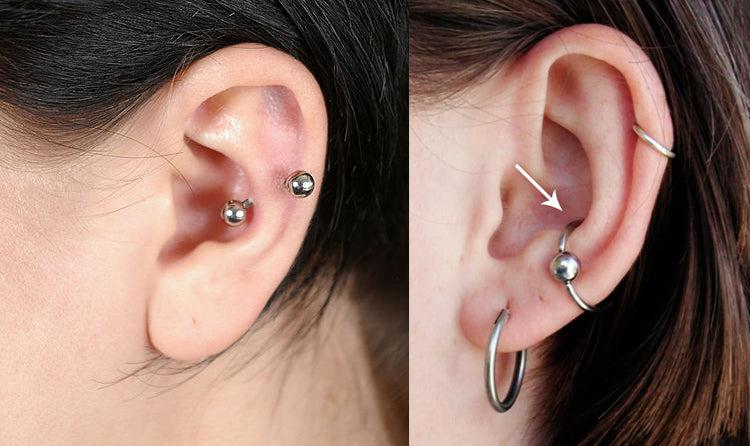
There are two main types of conch piercings: inner conch and outer conch. Both are placed in the central part of the ear, but their positions are different.
Inner Conch Piercing
An inner conch piercing is placed in the deeper bowl-shaped area near the ear canal. It is a popular choice for people who like small and elegant jewelry.
A flat-back stud is often used for this piercing. You can choose a simple metal ball, a tiny crystal, or a small decorative design. The jewelry sits close to the ear, giving it a neat appearance.
Outer Conch Piercing
An outer conch piercing is placed in the flatter cartilage area closer to the outer edge of the ear. Some people choose this position because it gives them more room for different jewelry styles.
A stud is a common starting choice. After the piercing has fully healed, a suitable hoop may also be possible. However, the correct hoop size depends on your ear shape and the position of the piercing.
3. How Much Does a Conch Piercing Hurt?
Pain is one of the first things people think about before getting a conch piercing. The truth is that everyone feels pain differently. Some people describe it as a quick, sharp pinch, while others feel stronger pressure because the needle passes through firm cartilage.
A conch piercing may feel more painful than a normal earlobe piercing. This is because cartilage is thicker and firmer than the soft skin of the earlobe. You may also feel some warmth, tenderness, or pressure after the procedure.
The actual piercing usually takes only a few seconds. The discomfort does not last forever, but your ear may remain sore for several days. Sleeping on that side, touching the jewelry, or wearing tight headphones can make the soreness worse.
Choose an experienced professional piercer who uses a sterile, single-use needle. Avoid piercing guns for cartilage piercings. A safe and clean procedure is more important than trying to find the cheapest service.
4. How Much Does a Conch Piercing Cost?
The price of a conch piercing depends on the studio, the piercer’s experience, your location, and the jewelry you choose. A studio that uses high-quality jewelry and follows strict hygiene practices may charge more than a basic piercing shop.
Here are rough price estimates. Actual prices can be different, so contact local studios before booking.
| Location | Estimated piercing cost |
| United States | 40–100+ |
| United Kingdom | £25–£70+ |
| Canada | CAD 40–100+ |
| Australia | AUD 50–120+ |
| Pakistan | PKR 2,000–8,000+ |
The final price may include the jewelry, piercing service, and aftercare instructions. Some studios charge separately for jewelry, so ask what is included before you make an appointment.
Do not choose a studio only because it offers a very low price. Check its cleanliness, reviews, jewelry quality, and experience with cartilage piercings. Your health and safety should always come first.
5. Best Jewelry for a Conch Piercing
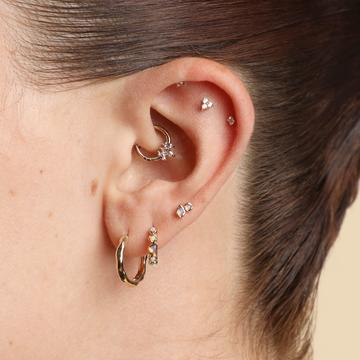
Choosing the right jewelry can make your conch piercing look even better. However, the first jewelry piece should be selected for comfort and safety, not only appearance.
Flat-Back Studs
Flat-back studs are a popular choice for new conch piercings. They have a smooth back that rests against the ear and can be more comfortable than jewelry with sharp or bulky ends.
Hoops
Hoops create a bold look and can follow the curve of the ear. They are not always the best choice for a fresh piercing because they move more easily and may cause irritation. Ask your piercer when your piercing is ready for a hoop.
Gemstone Jewelry
Small gemstones add color and shine. You can choose clear stones, colorful crystals, or simple designs. Make sure the jewelry is made from a safe material and has smooth edges.
Safe Jewelry Materials
Good materials for a new conch piercing include:
- Implant-grade titanium: A popular choice for fresh piercings because it is lightweight and suitable for many people with metal sensitivities.
- Niobium: Another option that may work well for people who react to certain metals.
- Solid 14k or 18k nickel-free gold: A suitable option when it is made for body jewelry and has a safe design.
Avoid cheap jewelry with unknown metal content. Nickel-containing jewelry can cause allergic reactions in some people.
6. How Long Does a Conch Piercing Take to Heal?
A conch piercing usually takes around 6 to 12 months to heal, although some piercings may need longer. Healing time depends on your body, jewelry, aftercare, and how often the piercing gets disturbed.
The outside may look better before the deeper cartilage has fully healed. This can be confusing because the piercing might stop hurting while the inside is still healing.
During the healing period, you may notice mild swelling, tenderness, or small amounts of clear fluid that dry into a light crust. These can happen during normal healing. However, increasing pain, heat, severe swelling, or thick discharge may be signs of a problem.
Do not change your jewelry just because the piercing looks healed. Ask a professional piercer to check it first. Changing jewelry too early can damage the healing tissue and make the process take longer.
7. How to Clean and Care for a Conch Piercing
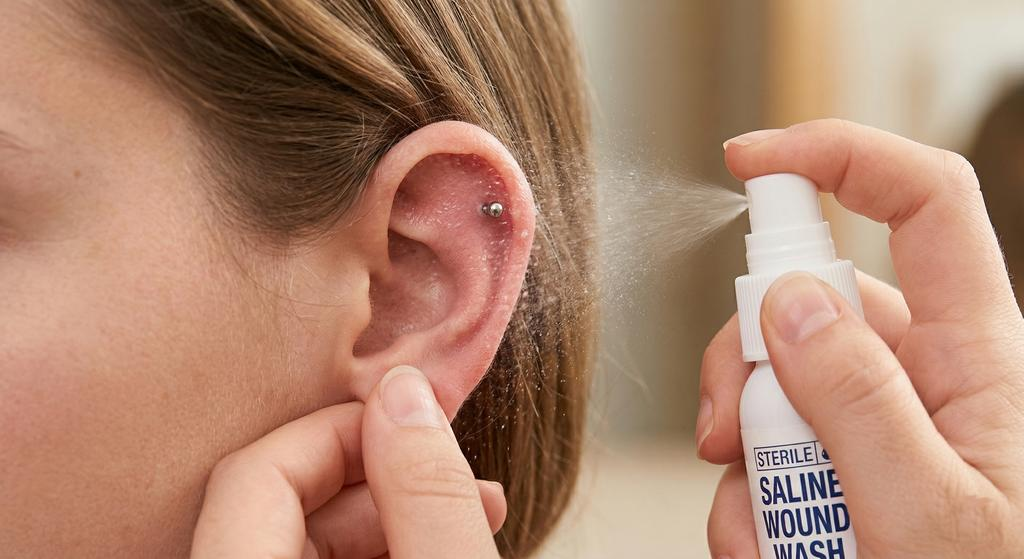
Good aftercare is one of the most important parts of getting a conch piercing. Cartilage can take many months to heal, so you need to be patient and gentle.
Follow these basic care steps:
- Wash your hands: Always clean your hands before touching the area.
- Use sterile saline: Clean the piercing with sterile saline wound wash containing 0.9% sodium chloride.
- Be gentle: Let the saline loosen any dried crust. Do not pull or scratch it.
- Dry carefully: Use clean disposable gauze or let the area air-dry.
- Leave the jewelry alone: Do not twist, spin, or move it unnecessarily.
- Keep hair products away: Try not to let shampoo, hairspray, or other products collect around the piercing.
Avoid using alcohol, hydrogen peroxide, strong antiseptics, or homemade salt mixtures unless a healthcare professional tells you otherwise. These products may irritate the healing tissue.
8. Can You Sleep on a Conch Piercing?
Sleeping on a fresh conch piercing can be uncomfortable. Pressure from your pillow may cause swelling, soreness, and irritation. It can also push the jewelry against the cartilage.
Try sleeping on the opposite side while your piercing heals. If you normally move around during sleep, a travel pillow can help. Place your ear in the center opening so that it does not press against the pillow.
Keep your pillowcase clean and avoid touching the piercing while sleeping. If you wake up with pain, check whether your ear has been under pressure.
9. Possible Risks and Problems
Most conch piercings heal without serious problems when they are done by a skilled piercer and cared for properly. Still, every cartilage piercing has some risks.
Infection: Increasing redness, heat, pain, swelling, pus, or fever may indicate an infection. Cartilage infections need prompt medical attention because they can become serious.
Piercing bumps: Small bumps can appear because of pressure, irritation, or jewelry that does not fit properly. Do not squeeze or pick at them.
Metal allergy: Some people react to nickel or other metals. Itching, redness, and a rash around the jewelry may be signs of an allergic reaction.
Keloids: A keloid is raised scar tissue that grows beyond the original wound. Some people are more likely to develop keloids, especially if they have had them before.
Swelling: Mild swelling can happen after a new piercing. Severe or worsening swelling needs professional attention, particularly if the jewelry starts pressing tightly into the ear.
If you think your piercing is infected, contact a healthcare professional. Do not remove the jewelry unless a healthcare professional advises you to do so.
10. When Can You Change Your Conch Piercing Jewelry?
You should not change your conch jewelry too early. Even if the outside looks normal, the cartilage inside may still be healing.
Many conch piercings need 6 to 12 months or longer before they are fully healed. The exact time depends on your body and how well you care for the piercing.
Visit your piercer if the original jewelry feels too tight, catches on clothing, or causes ongoing irritation. A professional can check the fit and decide whether a jewelry change or adjustment is needed.
Once the piercing has healed, you can explore different styles. You might choose a small stud for everyday wear or a hoop for a different look. Always use clean hands and suitable jewelry when changing it.
11. Is a Conch Piercing Worth It?
A conch piercing can be a great choice if you like cartilage jewelry and want something different from a regular earlobe piercing. It can look simple, elegant, or bold depending on the jewelry you choose.
The main thing to remember is that it needs patience. You may have to avoid sleeping on that ear, take extra care when washing your hair, and wait several months before changing the jewelry.
Think about your daily habits before getting one. If you wear headphones for many hours, play contact sports, or sleep on one side, you may need to make a few changes while it heals.
A professional piercer can help you decide whether the placement suits your ear. With the right jewelry and careful aftercare, a conch piercing can become a beautiful part of your personal style.
Conclusion
A conch piercing is a stylish cartilage piercing that gives you many jewelry choices. You can choose an inner or outer conch piercing, wear a simple stud, or enjoy a hoop once the piercing has fully healed.
The process is usually quick, but healing takes time. Most conch piercings need around 6 to 12 months or longer to heal completely. Clean the area with sterile saline, avoid unnecessary touching, and do not change the jewelry too early.
Most importantly, choose a trusted professional piercer and use safe, high-quality jewelry. Taking care of your piercing from the beginning can help you avoid problems and enjoy your new look.
Frequently Asked Questions
1. Does a conch piercing hurt more than an earlobe piercing?
It can. A conch piercing goes through firm cartilage, while an earlobe piercing goes through soft tissue. You may feel a sharper pinch and more pressure, but the pain is usually brief.
2. How long does a conch piercing take to heal?
A conch piercing usually takes around 6 to 12 months or longer to heal. Healing time varies from person to person.
3. Can I wear a hoop in a new conch piercing?
A hoop is usually not the best choice for a fresh conch piercing because it can move and cause irritation. A suitable flat-back stud is often used at first. Ask your piercer before changing to a hoop.
4. What is the safest jewelry for a new conch piercing?
Implant-grade titanium is a popular option. Niobium and suitable solid 14k or 18k nickel-free gold may also be appropriate. Your piercer can help you choose jewelry that fits your ear.
5. Can a conch piercing cause an infection?
Yes. Any piercing can become infected. Increasing pain, heat, redness, swelling, pus, or fever can be warning signs. Seek medical advice promptly if these symptoms appear.