Fashion accessories play an important role in completing clothing collections and creating a recognizable brand identity. Products such as scarves, bags, hats, gloves, shawls, and hair accessories help retailers and fashion brands offer more variety while giving customers additional ways to express their personal style.
For fashion brands, retailers, wholesalers, and e-commerce businesses, finding the right Fashion Accessories Manufacturer is an important part of product sourcing. The right manufacturing partner can help with product selection, trend forecasting, customization, quality control, and bulk supply.
A reliable Fashion Accessories Supplier should also understand seasonal demand, changing customer preferences, and the importance of delivering coordinated collections on time.
What Does a Fashion Accessories Manufacturer Do?
A fashion accessories manufacturer develops and produces products that complement clothing and other fashion items. Depending on its capabilities, a manufacturer may offer ready-made collections, customized products, private-label manufacturing, and OEM services.
Common fashion accessory categories include:
- Bags: Tote bags, handbags, shoulder bags, crossbody bags, backpacks, and wallets.
- Scarves: Fashion scarves, lightweight scarves, printed scarves, and seasonal styles.
- Shawls: Poncho shawls, wrap shawls, and other versatile layering accessories.
- Hats and headwear: Fashion hats, caps, and seasonal headwear.
- Gloves: Fashion gloves and cold-weather accessories.
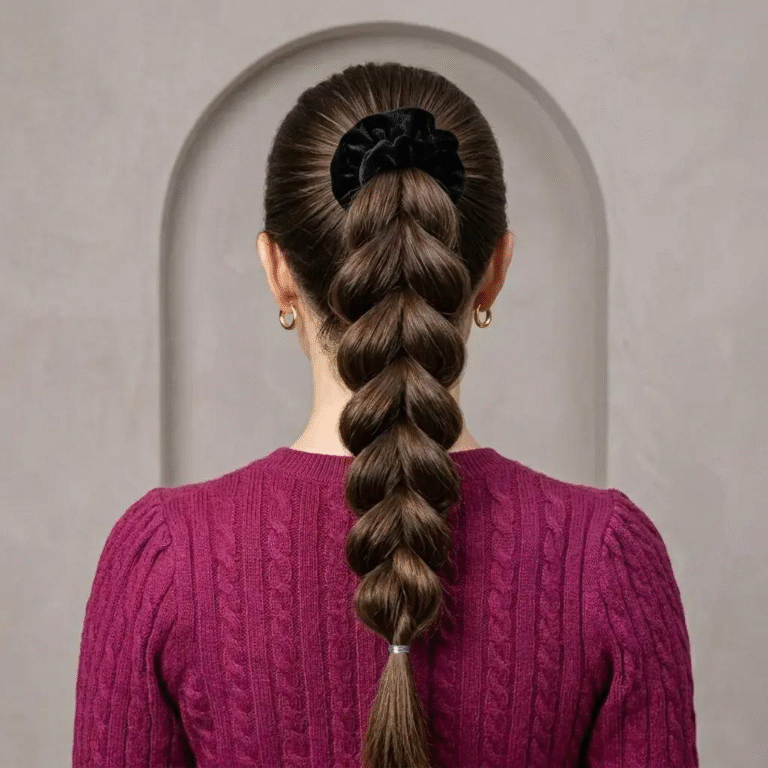
- Hair accessories: Hair clips, bands, and other decorative accessories.
- Fashion jewelry: Selected jewelry pieces that complement clothing and accessory collections.
Manufacturers may also support product development, material selection, logo application, colour matching, packaging, and production planning.
For brands that want to introduce a coordinated collection, working with one manufacturing partner across several categories can make sourcing and product coordination easier.
Why Do Fashion Brands Need a Reliable Fashion Accessories Supplier?
Fashion trends change throughout the year, and brands need to keep their collections relevant to customer preferences. Managing different suppliers for every accessory category can make sourcing more complicated.
Working with a dependable fashion accessories supplier can help businesses manage several important requirements.
1. Access to Multiple Product Categories
A supplier offering different accessory categories can help brands source bags, scarves, hats, gloves, and other products through a more coordinated process.
This is useful for retailers that want to create seasonal collections with matching colours, styles, and materials.
2. Consistent Product Quality
Quality consistency is important, particularly when businesses place repeat or bulk orders. Differences in stitching, colour, material, and finishing can affect the appearance of products across a collection.
Buyers should understand the supplier’s quality inspection process and review samples before approving production.
3. Better Seasonal Planning
Fashion accessories are often linked to seasonal collections. Scarves, shawls, gloves, and hats may be especially relevant during colder months, while lightweight bags and hair accessories can support different seasonal product ranges.
A supplier with trend forecasting and collection development capabilities can help buyers plan products ahead of upcoming seasons.
4. Customization and Branding
Many fashion brands want accessories that reflect their own identity rather than relying entirely on standard designs.
Customization options may include brand logos, labels, embroidery, colours, materials, product details, and packaging.
5. Simplified Sourcing and Coordination
Working with one supplier across multiple categories can reduce the effort involved in communicating with several vendors. It can also make it easier to coordinate product specifications, samples, packaging, and shipment planning.
What Should You Check Before Choosing a Fashion Accessories Manufacturer?
Selecting a manufacturing partner requires more than comparing prices. Businesses should evaluate the supplier’s product range, production capabilities, quality procedures, and customization options.
Here are some important factors to consider.
Product Range and Manufacturing Experience
Start by checking whether the manufacturer offers the products your business needs. If your collection includes bags, scarves, hats, and gloves, a supplier with experience across these categories may provide more convenient sourcing support.
Also review product examples, material options, and previous manufacturing work to understand the supplier’s capabilities.
Custom Design and OEM Services
OEM and customization services allow brands to develop products according to their own specifications.
Depending on the product, customization may include:
- Custom colours and material selection
- Brand logo printing or embroidery
- Woven labels and metal branding details
- Custom product designs
- Special packaging and hangtags
- Coordinated accessory sets
Before production, confirm the final specifications and approve samples to reduce the possibility of misunderstandings.
Minimum Order Quantity
Minimum order quantity, commonly known as MOQ, is another important consideration.
Large retailers may need substantial production volumes, while independent designers and emerging brands may prefer smaller trial orders.
Discuss MOQ requirements before placing an order and check whether mixed product categories or smaller test batches are supported.
Quality Control and Compliance
A professional manufacturer should have a clear process for checking products during production and before shipment.
For textile and fashion accessories, relevant checks may include stitching, colour consistency, material quality, dimensions, durability, and applicable chemical safety requirements.
International buyers should also confirm which product-specific certificates and compliance documents are available for their target markets.
Production and Delivery Timelines
Seasonal fashion products often have fixed launch dates. Delayed shipments can affect retail planning and product availability.
Ask about sample development, production schedules, packaging, shipping options, and order tracking before confirming a purchase.
The Importance of Trend Forecasting in Fashion Accessories
Trend forecasting helps fashion businesses prepare for upcoming customer preferences instead of selecting products only after a trend becomes popular.
For example, a brand preparing an autumn and winter collection may need coordinated scarves, shawls, gloves, hats, and bags in complementary colours and materials.
A supplier with advance trend research can help buyers explore:
- Seasonal colour palettes
- Popular accessory styles
- Material and texture preferences
- New product designs
- Matching accessories for clothing collections
- Retail and e-commerce product opportunities
Planning collections in advance can also give brands more time for sampling, product approval, and production.
Why Is Collection Matching Important?
A coordinated collection creates a more consistent appearance across a brand’s product range.
Imagine a fashion retailer preparing a winter clothing collection with neutral-coloured coats. Matching scarves, gloves, hats, and handbags can help complete the range and provide customers with complementary product choices.
Collection matching involves more than selecting similar colours. Buyers should also consider fabric textures, patterns, materials, product finishes, and the overall style of the clothing range.
A supplier that offers accessory matching support can help brands develop products that work together rather than treating every accessory as a separate purchase.
Customization Options for Fashion Accessories
Customization allows businesses to create products that are better aligned with their target customers and brand positioning.
Some common customization options include:
Logo and branding: Brands can use printed logos, embroidered details, woven labels, or metal branding elements.
Colour matching: Product colours can be selected to complement an existing clothing collection or brand palette.
Material selection: Depending on the product, buyers may choose different fabrics, textures, and other materials.
Design adjustments: Details such as straps, shapes, closures, patterns, and decorative elements may be adjusted according to product requirements.
Custom packaging: Hangtags, gift boxes, labels, and retail packaging can help create a more consistent presentation.
These details should be finalized during the sampling and approval stage before bulk production begins.
Toros Accessories: A One-Stop Fashion Accessories Manufacturer and Supplier
Toros Accessories is a fashion accessories sourcing and manufacturing partner based in Yiwu, China. The company supports global brands, retailers, designers, wholesalers, and e-commerce businesses with a range of fashion accessory products.
Its product categories include bags, scarves, shawls, gloves, hats, headwear, hair accessories, and fashion jewelry.
Toros provides services covering trend forecasting, product selection, sample development, customization, bulk production coordination, quality control, and global logistics.
The company also supports different business requirements:
- Established brands and supermarkets: Coordinated seasonal collections, bulk sourcing, product consistency, and retail-ready packaging.
- Designers and emerging brands: Product matching, sample development, customization, and smaller trial production options.
- E-commerce businesses: Flexible product sourcing, sampling, packaging, and support for testing new product collections.
Toros also offers OEM and private-label customization, including logo application, colour matching, labels, embroidery, and packaging options.
Its Yiwu-based operations include a sampling centre and production workshop, supported by a wider manufacturing partner network. This structure helps the company coordinate product development and supply requirements across different accessory categories.
Conclusion
Finding the right fashion accessories manufacturer and supplier can make a significant difference in how businesses develop, source, and manage their product collections.
From bags and scarves to hats, gloves, and hair accessories, each product should match the brand’s style, customer expectations, and quality requirements.
By evaluating manufacturing capabilities, trend forecasting, customization, quality control, and delivery planning, fashion brands and retailers can build more coordinated and competitive accessory collections.
Toros Accessories supports these requirements through its multi-category product range and integrated sourcing services, helping businesses manage fashion accessory development and supply for different markets.
Frequently Asked Questions
1. What products does a fashion accessories manufacturer make?
A fashion accessories manufacturer may produce bags, scarves, shawls, gloves, hats, hair accessories, headwear, and fashion jewelry. Product availability depends on the manufacturer’s specialization and supply network.
2. How do I choose a reliable fashion accessories supplier?
Check the supplier’s product range, manufacturing experience, customization options, MOQ, quality control procedures, sample development process, and delivery capabilities. Reviewing samples before bulk production is also recommended.
3. Can fashion accessories manufacturers provide private-label products?
Yes. Many manufacturers offer private-label and OEM services. These may include custom logos, labels, embroidery, colours, materials, and branded packaging.
4. What is the typical MOQ for custom fashion accessories?
MOQ varies according to product type, materials, design complexity, and production requirements. Some suppliers support smaller trial batches, while larger orders may require higher quantities. Confirm the MOQ for each product before placing an order.
5. Why is trend forecasting important for fashion accessories?
Trend forecasting helps brands plan upcoming collections based on seasonal colours, materials, and customer preferences. It gives businesses more time to select products, approve samples, and organize production.
6. Can one supplier provide multiple fashion accessory categories?
Yes. Some one-stop suppliers coordinate multiple categories, such as bags, scarves, shawls, hats, and gloves. This can simplify sourcing and help brands develop coordinated collections.
7. Does Toros Accessories support custom fashion accessory orders?
Yes. Toros supports customization options such as logo application, colour matching, embroidery, labels, and packaging. It also provides product sourcing, sampling, and production coordination for different business requirements.