
 Awais Abbasi
 Saira Munsif
Published on: 21 Nov 2026, 2:15 pm
Updated on: 21 Nov 2026, 2:15 pm
Everyone wants healthy, fresh, and glowing skin. But getting beautiful skin does not mean you need to buy expensive creams or visit beauty salons every week. Good skin starts with simple daily habits. Washing your face, using moisturizer, applying sunscreen, eating healthy food, and getting enough sleep can make a big difference.
Many people try different beauty products because they want quick results. However, using too many products can sometimes damage the skin. The best way to care for your skin is to understand your skin type and follow a simple routine.
In this guide, you will learn everything about skincare for glowing skin. We will discuss easy morning and night skincare routines, the best skincare ingredients, healthy foods, natural home remedies, and common mistakes you should avoid. These tips are easy to understand and can help beginners build a healthy skincare routine at home.
1. What Is Glowing Skin?
Glowing skin means skin that looks healthy, fresh, smooth, and well hydrated. It does not mean your skin must be completely white or free from every small mark. Every person has a different natural skin color, and all skin tones can look beautiful and healthy.
Healthy skin usually feels soft and comfortable. It does not feel too dry, tight, or irritated. When your skin gets proper care, it can look fresher and smoother. However, natural skin texture, pores, and small marks are completely normal.
Many things can affect your skin’s appearance. Sun exposure, lack of sleep, stress, poor eating habits, and not using moisturizer can make your skin look dull. On the other hand, a good skincare routine can help protect your skin and improve its appearance.
You should remember that glowing skin does not come overnight. It takes time, patience, and regular care. Instead of trying every new beauty product, choose a few suitable products and use them correctly.
2. Know Your Skin Type Before Starting a Skincare Routine

Before buying skincare products, you should understand your skin type. Different skin types need different products and care. A moisturizer that works for dry skin may feel too heavy for oily skin. Similarly, some products may irritate sensitive skin.
Here are the most common skin types.
Normal Skin
Normal skin is not too oily and not too dry. It usually feels comfortable and soft. People with normal skin can follow a simple routine that includes a gentle face wash, moisturizer, and sunscreen.
Oily Skin
Oily skin produces more natural oil than other skin types. It can make your face look shiny, especially around your forehead, nose, and chin. Oily skin may also have blackheads, whiteheads, and pimples.
If you have oily skin, choose a gentle gel cleanser and a lightweight moisturizer. Avoid washing your face too often because this can irritate your skin.
Dry Skin
Dry skin often feels rough, tight, or flaky. It may become worse during cold weather or after using strong face washes. People with dry skin should choose gentle cleansers and rich moisturizers.
Look for products that contain ingredients such as glycerin, ceramides, or hyaluronic acid. These ingredients help support skin hydration.
Combination and Sensitive Skin
Combination skin means some parts of your face are oily while other parts are dry. For example, your nose and forehead may be oily, while your cheeks feel dry.
Sensitive skin can become red, itchy, or irritated easily. If you have sensitive skin, choose products without strong fragrances and avoid adding many new products at once. Always test a new product on a small area before using it on your whole face.
3. Best Morning Skincare Routine for Glowing Skin
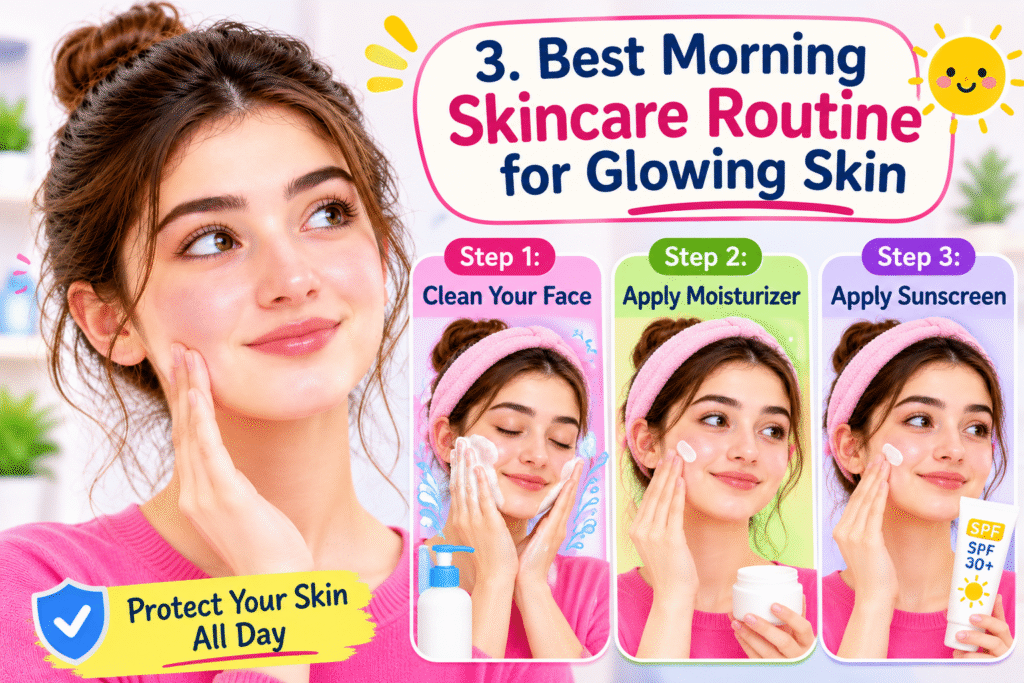
Your morning skincare routine helps protect your skin during the day. Dust, sunlight, sweat, and pollution can affect your skin’s appearance. A simple morning routine can help keep your face clean, soft, and protected.
Step 1: Clean Your Face
Start your morning by washing your face with a gentle cleanser. It helps remove extra oil, sweat, and dirt from your skin.
Choose a cleanser according to your skin type. If your skin is dry, use a gentle moisturizing cleanser. If your skin is oily, a mild gel cleanser may work well.
Do not scrub your face hard. Use clean hands and lukewarm water to wash your face gently.
Step 2: Apply Moisturizer
After washing your face, apply a suitable moisturizer. Moisturizer helps keep your skin soft and supports its natural protective barrier.
Even if you have oily skin, do not skip moisturizer. Choose a lightweight, non-comedogenic product if you are worried about clogged pores.
Step 3: Apply Sunscreen
Sunscreen is one of the most important parts of your skincare routine. Sunlight can cause tanning, dark spots, early wrinkles, and skin damage.
Use a broad-spectrum sunscreen with SPF 30 or higher. Apply it to your face, neck, ears, and other exposed areas.
If you stay outside, reapply sunscreen about every two hours, and after swimming or heavy sweating. Sunscreen helps protect your skin and maintain a healthy appearance.
4. Best Night Skincare Routine for Healthy Skin

Your skin needs care at night, too. During the day, dirt, sweat, oil, and sunscreen collect on your face. Cleaning your skin before sleeping is an important step in maintaining healthy skin.
Start by washing your face with a gentle cleanser. If you wear makeup or water-resistant sunscreen, use a suitable makeup remover before your regular face wash.
After cleansing, apply a moisturizer to help prevent dryness. You can use a cream-based moisturizer if your skin is dry or a light gel moisturizer if your skin is oily.
If you have a specific skin concern, you may also use a suitable serum. For example, niacinamide may help improve the appearance of uneven skin tone, while hyaluronic acid helps the skin hold moisture.
However, do not use too many active ingredients at the same time. Start with one new product and watch how your skin responds.
A simple night routine is often enough. Clean your face, apply moisturizer, and get proper sleep. These small steps can help keep your skin comfortable and healthy.
5. Best Skincare Ingredients for Glowing Skin

Choosing skincare products can be confusing because there are so many options in the market. Some products promise instant glow, but not every product is suitable for every person.
Instead of choosing products because of their advertisements, learn about their ingredients.
Vitamin C
Vitamin C is a popular skincare ingredient. It is an antioxidant that helps protect the skin from environmental damage. It can also help improve the appearance of dark spots and uneven skin tone.
You can find vitamin C in serums and moisturizers. Start with a suitable product and use it according to its instructions.
Niacinamide
Niacinamide is a form of vitamin B3. It can help support the skin barrier and improve the appearance of enlarged pores and uneven skin tone.
It is also useful for people who want to manage excess oil. Many beginners find niacinamide easy to add to their skincare routine.
Hyaluronic Acid
Hyaluronic acid helps the skin hold water. It is useful for people who want soft, hydrated, and smooth-looking skin.
You can find it in serums, moisturizers, and other skincare products. Apply it according to the product instructions and follow with moisturizer.
Retinol
Retinol is a skincare ingredient that may help improve acne and signs of aging. However, it can cause dryness, redness, and irritation, especially when you first start using it.
Beginners should start slowly and avoid using too many strong skincare ingredients together. Pregnant people should avoid retinoids unless their healthcare professional advises otherwise.
6. Best Foods for Naturally Glowing Skin

Healthy skin needs more than skincare products. The food you eat also plays an important role in keeping your body healthy.
A balanced diet provides vitamins, minerals, protein, and healthy fats that support normal skin function. Try to include different fruits, vegetables, nuts, and protein sources in your daily meals.
Here are some healthy foods to consider:
| Food | How it supports skin health |
| Oranges | Provide vitamin C |
| Carrots | Provide beta-carotene |
| Spinach | Contains vitamins and minerals |
| Almonds | Provide vitamin E and healthy fats |
| Walnuts | Provide healthy fats |
| Eggs | Provide protein |
| Fish | Provides omega-3 fats and protein |
| Berries | Contain antioxidants |
Try to eat fresh and colorful foods every day. You do not need expensive foods to support healthy skin. Simple foods available at home can provide many important nutrients.
Also, drink enough water throughout the day. Water supports normal body functions and helps maintain hydration. However, drinking extra water will not automatically remove pimples or dark spots.
7. Natural Home Remedies for Glowing Skin

Many people like using natural ingredients in their skincare routine. Some ingredients can help moisturize or soothe the skin, but natural products are not always safe for everyone.
Here are a few gentle options.
Aloe Vera: Aloe vera gel is known for its cooling and soothing properties. Some people use it to help calm mild skin irritation. Choose a simple product without added fragrance and test it before applying it to your face.
Honey: Honey is often used in homemade skincare because it helps attract and hold moisture. You can try a small amount on your skin for a short time if you are not allergic to it.
Oatmeal: Finely ground oatmeal can help soothe dry and itchy skin. You can choose skincare products that contain colloidal oatmeal, especially if your skin is sensitive.
Cucumber: Cucumber contains a lot of water and provides a refreshing feeling. Clean, cool cucumber slices can be placed over closed eyes for a few minutes.
Remember, avoid applying lemon juice, baking soda, toothpaste, or harsh scrubs directly to your face. These ingredients can cause irritation and damage your skin barrier.
8. Common Skincare Mistakes to Avoid
Sometimes people make skincare mistakes without knowing they are harming their skin. They use too many products, follow unsafe beauty tips, or expect instant results.
Here are some common mistakes you should avoid.
1. Skipping Sunscreen: Not using sunscreen can increase the risk of sun damage, dark spots, and early signs of aging. Make sunscreen part of your morning routine.
2. Washing Your Face Too Often: Washing your face many times a day can remove natural oils and cause dryness. For most people, twice a day is enough.
3. Using Too Many Products: Applying many serums and creams at once can irritate your skin. Start with a simple routine.
4. Popping Pimples: Squeezing pimples can make inflammation worse and increase the risk of scars and dark spots.
5. Sleeping With Makeup: Always remove makeup and sunscreen before going to bed.
6. Using Harsh Scrubs: Rough scrubbing can damage your skin barrier. Always clean your face gently.
7. Changing Products Too Quickly: Give suitable skincare products enough time to work. Changing products every few days makes it difficult to know what is helping your skin.
9. Daily Habits for Healthy and Radiant Skin
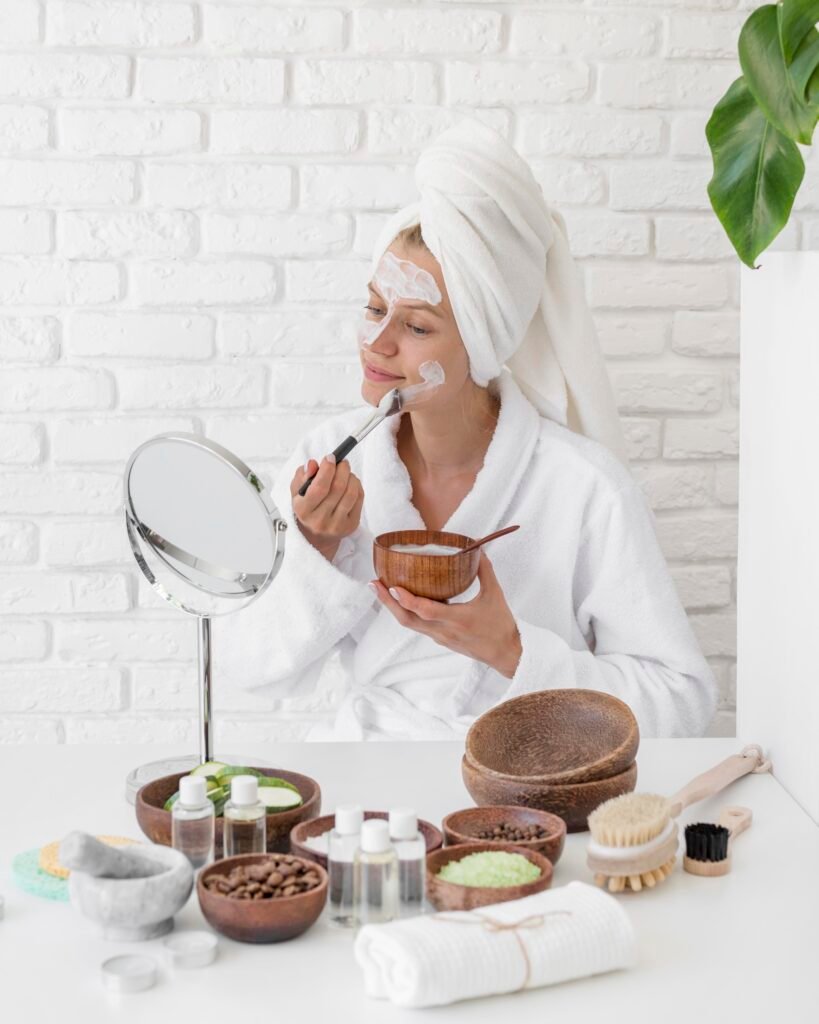
Good skincare is not only about using creams and serums. Your daily habits also affect your overall health and the appearance of your skin.
Getting enough sleep is important because your body needs time to rest and repair itself. Most adults need around seven to nine hours of sleep every night. Children and teenagers usually need more sleep.
Exercise is another healthy habit. Walking, cycling, and other physical activities support overall health and can help reduce stress.
You should also eat balanced meals and drink enough water. Try to include fruits, vegetables, whole grains, and healthy protein sources in your diet.
Stress management is important, too. Too much stress can affect your sleep and may worsen some skin conditions, such as acne.
Finally, keep your skincare routine simple. Clean your face, apply moisturizer, and protect your skin from sunlight. Following these habits regularly is more useful than trying a new beauty trend every week.
10. How Long Does It Take to Get Glowing Skin?
Many people want to know how quickly they can get glowing skin. The answer depends on your skin type, skincare products, and the skin concern you want to improve.
You may notice that your skin feels softer within a few days of using a suitable moisturizer. However, acne, dark spots, and uneven skin tone can take several weeks or months to improve.
Do not expect perfect results overnight. Healthy skincare takes patience and regular care.
Follow your routine every day and avoid changing products too often. If a product causes burning, swelling, or strong irritation, stop using it.
Remember that your skin does not need to look perfect to be healthy. Natural skin texture, pores, and small marks are normal.
11. When Should You Visit a Dermatologist?
Most people can maintain healthy skin with a simple skincare routine. However, some skin problems need professional care.
You should consider visiting a dermatologist if you have painful acne, severe skin irritation, unusual rashes, persistent itching, or dark spots that are changing.
A dermatologist can examine your skin and suggest suitable treatments. They can also help you choose products according to your skin type and specific concerns.
Do not depend only on home remedies when you have a serious or long-lasting skin problem. Getting professional advice can help you avoid making the condition worse.
Conclusion
Getting healthy and glowing skin does not need to be difficult. You do not need expensive products or a complicated skincare routine. Simple daily habits can make a big difference.
Start with a gentle cleanser, a suitable moisturizer, and sunscreen. Follow a simple night routine, eat healthy foods, drink enough water, and get proper sleep.
Always choose skincare products according to your skin type. Avoid harsh ingredients and do not expect instant results. Give your skin enough time to respond to a new routine.
The best skincare for glowing skin is the routine that keeps your skin clean, hydrated, comfortable, and protected. Be patient, stay consistent, and take care of your natural skin.
FAQs
1. How can I get glowing skin naturally at home?
You can support healthy skin by eating fruits and vegetables, drinking enough water, sleeping well, and following a simple skincare routine. Use a gentle cleanser, moisturizer, and sunscreen every day.
2. Which skincare routine is best for glowing skin?
A simple routine is best for most beginners. In the morning, wash your face, apply moisturizer, and use sunscreen. At night, clean your face and apply moisturizer.
3. Is sunscreen necessary every day?
Yes. Sunscreen helps protect your skin from harmful UV rays. Use broad-spectrum SPF 30 or higher sunscreen every day, including cloudy days.
4. Which food is best for healthy skin?
Oranges, berries, carrots, spinach, almonds, walnuts, eggs, and fish provide nutrients that support normal skin health. Eating a balanced diet is better than depending on one food.
5. How many times should I wash my face?
For most people, washing the face twice a day is enough. Wash once in the morning and once at night. Use a gentle cleanser and avoid harsh scrubbing.