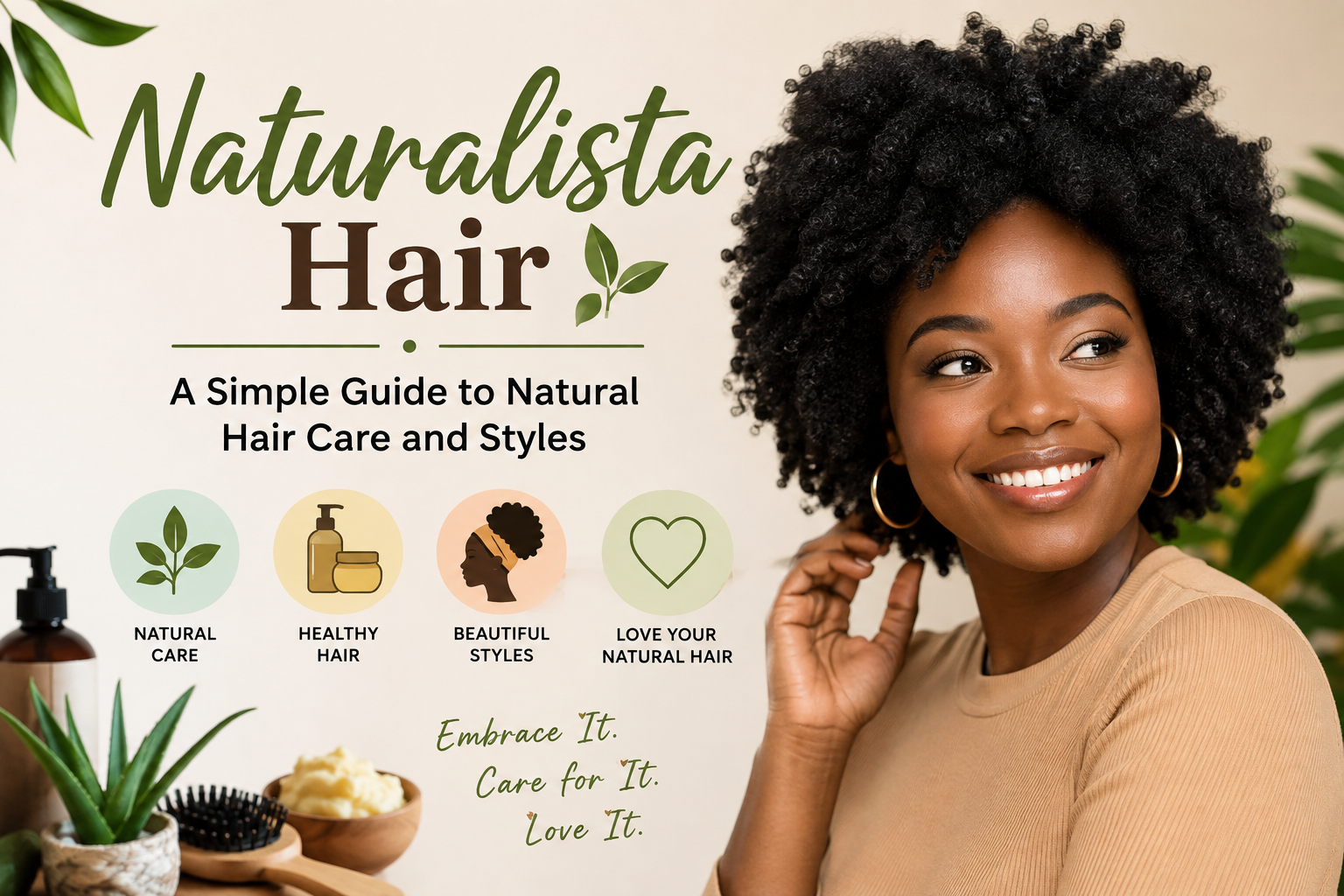
Naturalista hair is a term often used for natural hair and the people who proudly wear their natural texture. A naturalista may choose to keep their hair in its natural state instead of changing its texture with chemical straightening treatments.
Natural hair can be curly, coily, wavy, or tightly textured. Every person’s hair is different. This means there is no single routine that works for everyone.
Learning how your hair behaves can make hair care easier. With simple habits, you can keep your hair clean, moisturized, and easy to style.
What Does Naturalista Hair Mean?
The word “naturalista” is commonly connected with people who embrace their natural hair. In the natural hair community, it can describe someone who takes pride in their natural texture and enjoys caring for and styling it.
Natural hair usually means hair that has not been chemically changed to permanently alter its texture. However, people may still use different styling methods, products, or occasional heat.
Being a naturalista is not about having one specific curl pattern. It is more about learning what works for your own hair.
Why Do People Choose Natural Hair?
People choose natural hair for many different reasons. Some want to understand their natural texture better. Others enjoy trying different hairstyles.
For some people, moving to natural hair is also a personal journey. It can be a way to feel more comfortable with their natural appearance.
A natural hair journey does not have to look the same for everyone. Some people slowly grow out chemically treated hair. Others choose a big chop and start with shorter natural hair.
There is no single correct way to become a naturalista.
Understanding Your Natural Hair
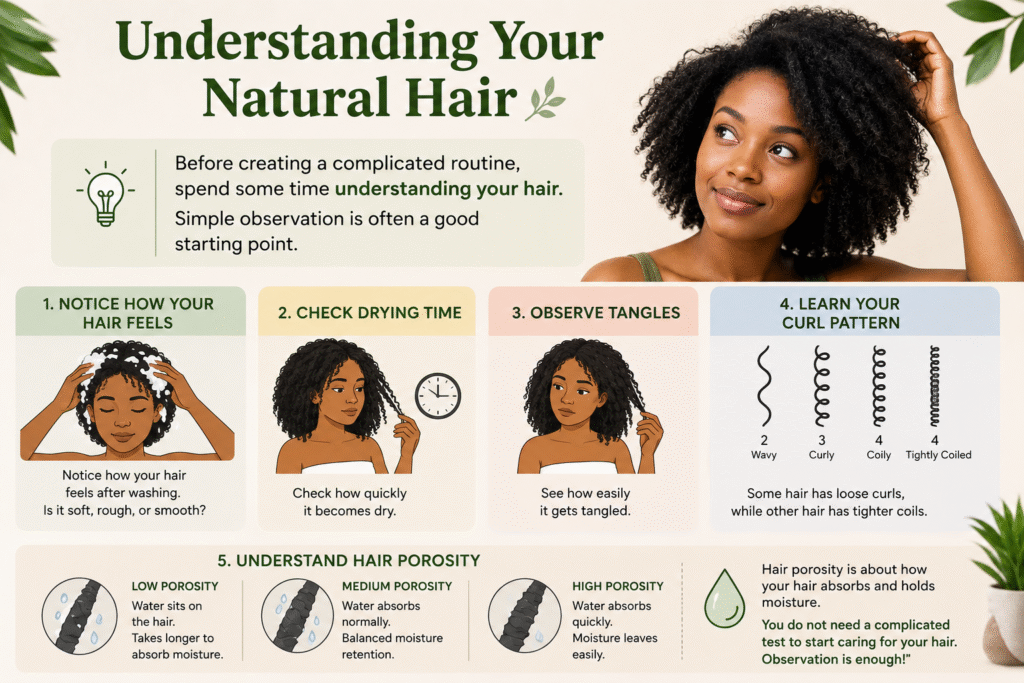
Before creating a complicated routine, spend some time understanding your hair.
Notice how your hair feels after washing. Check how quickly it becomes dry and how easily it gets tangled.
You can also learn about your curl pattern. Some hair has loose curls, while other hair has tighter coils.
Hair porosity is another term often discussed in natural hair care. It relates to how hair absorbs and holds moisture. However, you do not need a complicated test to start caring for your hair.
Simple observation is often a good starting point.
How to Care for Naturalista Hair
Natural hair does not need a huge collection of products. A simple routine can be easier to maintain.
1. Keep Your Hair Clean
Regular washing helps remove sweat, dirt, and product buildup from your hair and scalp.
How often you wash depends on your hair and lifestyle. Some people need more frequent washing, while others prefer longer gaps.
Choose a gentle shampoo or cleansing product that works well for your hair.
2. Use Conditioner
Conditioner can help make hair feel softer and easier to manage.
Apply it after cleansing and work it through the hair. Give extra attention to areas that become dry or tangled.
Conditioning can also make detangling easier.
3. Moisturize When Needed

Natural hair can feel dry, especially when it is tightly curled or coiled. Keeping your hair moisturized can make it easier to manage.
You can use a leave-in conditioner or another suitable moisturizing product.
However, more product does not always mean better results. Start with a small amount and see how your hair responds.
4. Detangle Gently
Detangling should be done carefully. Pulling or rushing through knots can cause unnecessary breakage.
Many people find it easier to detangle damp hair with conditioner. Work in small sections and start from the ends.
Then slowly move toward the roots.
Easy Naturalista Hair Styles
One of the best things about natural hair is its styling flexibility. There are many simple looks to try.
Wash and Go
A wash and go is a simple style that allows your natural texture to remain visible.
After washing and conditioning, apply suitable styling products. Then allow the hair to dry naturally or use a method that works safely for your hair.
This style can highlight your natural curls and coils.
Twist Out
A twist out is another popular natural hairstyle.
Hair is divided into sections and twisted. After the hair dries, the twists are gently separated to create a textured look.
The final result can be different depending on your hair texture and the size of the twists.
Braids
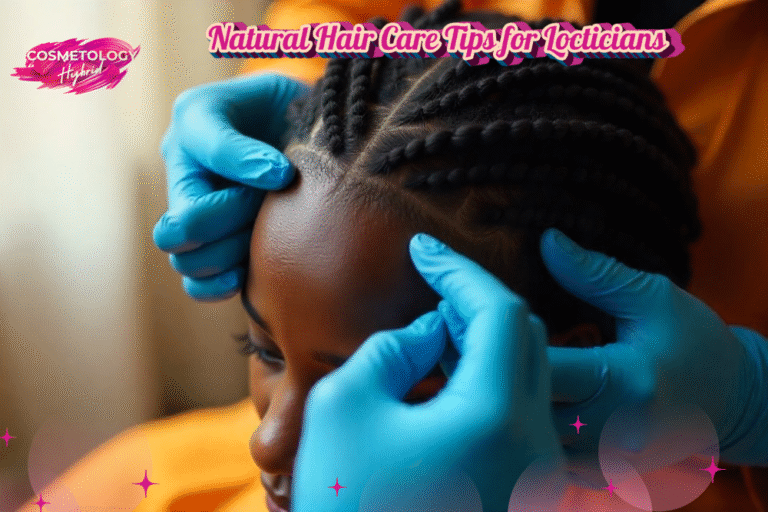
Braids can be both practical and stylish. They can help reduce daily manipulation and give you a different look.
Protective styles such as braids and twists are commonly used in natural hair routines.
However, a protective style should not feel painful or excessively tight.
Flat Twists
Flat twists are similar to twists but are created close to the scalp.
They can be worn as a complete hairstyle or used to create another style later.
Flat twists are also a useful option when you want a simple look with less daily styling.
Natural Bun or Puff
A simple bun or puff can be a quick everyday hairstyle.
It can work well when you want your hair away from your face. Keep the style comfortable and avoid excessive pulling around the hairline.
Protective Hairstyles for Natural Hair
Protective hairstyles are popular among naturalistas because they can reduce daily handling.
Common examples include:
- Braids
- Flat twists
- Cornrows
- Buns
- Twists
- Some types of wigs
These styles can help reduce manipulation, but they still need proper care.
A hairstyle should not be extremely tight or uncomfortable. If your scalp hurts, the style should be loosened or removed.
Protective styling is useful, but it does not replace regular cleansing and hair care.
Nighttime Care for Naturalista Hair
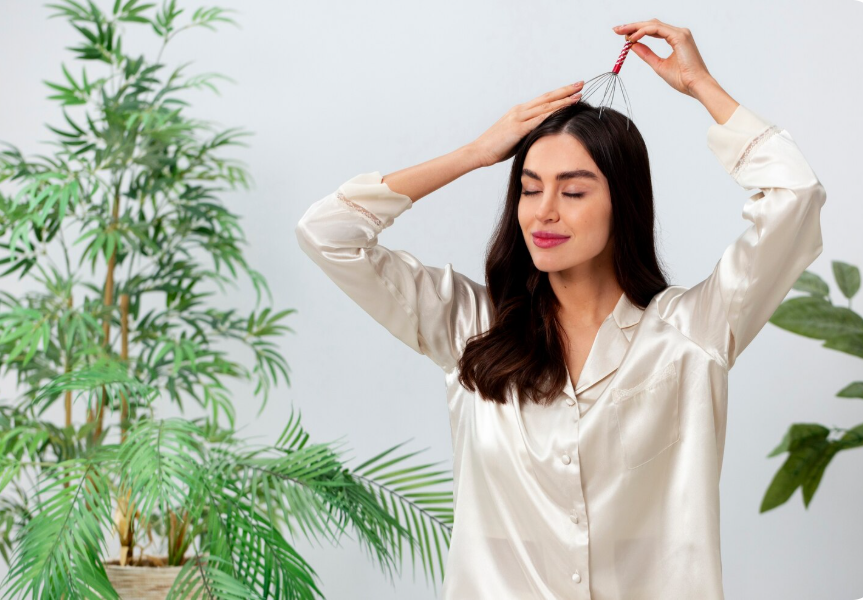
Your nighttime routine can also make a difference.
Some people use a satin or silk-style covering to reduce friction while sleeping. Others use a suitable satin pillowcase.
Before bed, gently arrange your hair instead of pulling it tightly.
If your hair is long, loosely securing it can also make it easier to manage the next morning.
The goal is to keep your routine simple and comfortable.
Common Natural Hair Mistakes
Natural hair care can become confusing because there is so much advice online.
Here are some common mistakes to avoid.
Using Too Many Products
Buying many products does not guarantee better hair. Different products can also create buildup.
Start with a simple routine. Add products only when you understand why you need them.
Detangling Too Quickly
Trying to remove every knot quickly can lead to unnecessary pulling.
Take your time and work through small sections.
Keeping Styles Too Tight
A tight hairstyle may look neat, but comfort matters too.
Excessive tension can put stress on the scalp and hair. Choose comfortable styles instead.
Copying Someone Else’s Routine
A routine that works for one person may not work for another.
Hair texture, lifestyle, climate, and styling habits can all be different.
Instead of copying another person’s entire routine, learn what your own hair needs.
Naturalista Hair on a Budget
Natural hair care does not have to be expensive.
You can start with a few basic products that meet your hair’s needs. Expensive products are not automatically better.
One natural hair journey featured by The Standard describes using basic commercial products, inexpensive oils, and protective styling rather than relying on costly salon routines.
The most important thing is consistency.
A simple routine that you can follow regularly is often easier than a complicated routine with many products.
Naturalista Hair Is About Your Own Journey
Natural hair is not a competition. You do not need to have the longest hair or a particular curl pattern.
Your hair journey may change over time. You may enjoy short styles one year and longer styles later.
You may also discover that some products work better than others.
The important part is learning what makes your hair comfortable and manageable.
Natural hair can also be a creative form of self-expression. From simple twists to detailed braids, there are many ways to style it. Recent natural hair guides continue to highlight the wide variety of styling options available to people beginning or continuing their natural hair journey.
Final Thoughts
Naturalista hair is about embracing and caring for natural hair in a way that works for you. There is no perfect routine or single hairstyle that everyone must follow.
Start with basic care. Keep your hair clean, condition it, detangle gently, and choose comfortable styles.
Most importantly, be patient with your hair. Learning natural hair care takes time, but a simple and consistent routine can make the journey much easier.
Whether you prefer a wash-and-go, twists, braids, or a simple bun, naturalista hair offers many ways to enjoy your natural texture.
FAQs
1. What is a naturalista?
A naturalista is a person who embraces their natural hair texture and enjoys wearing it naturally. The term is often used in the natural hair community, especially for people with curly, coily, or textured hair.
2. What is the best natural hair brand?
There is no single best natural hair brand for everyone. The right choice depends on your hair texture, moisture needs, and styling preferences. It is better to choose products that work well for your own hair rather than following a brand simply because it is popular.
3. Which hair color is 100% natural?
Natural hair colors include black, brown, blonde, and red. These colors come from natural pigments called melanin, mainly eumelanin and pheomelanin.
If you mean 100% natural hair dye, pure henna is one example of a plant-based option. However, products labeled “natural” can contain different ingredients, so checking the ingredient list is important.
4. What is a natural hairstyle?
A natural hairstyle is a style that works with your hair’s natural texture instead of permanently changing it. Examples include wash-and-go styles, twists, braids, natural curls, puffs, and some protective styles. Natural hair generally refers to hair that has not been chemically straightened or relaxed.