 Awais Abbasi
 Saira Munsif
Published on: 21 Nov 2026, 9:52 pm
Updated on: 21 Nov 2026, 9:52 pm
Becoming a professional lash technician can open the door to an exciting career in the beauty industry. Eyelash extensions remain a popular treatment, offering clients the opportunity to enhance their appearance without applying mascara every morning. However, producing beautiful, long-lasting results requires considerably more than learning how to attach individual lashes.
Beginners often concentrate on creating dramatic transformations while overlooking the technical details that influence comfort, retention, and natural lash health. Small mistakes involving adhesive application, isolation, hygiene, and client consultations can lead to disappointing results or uncomfortable experiences.
Developing good habits from the beginning is essential for building confidence and establishing a professional reputation. Understanding common errors allows new technicians to refine their skills, protect their clients, and deliver consistently attractive results.
Skipping Proper Consultations and Allergy Precautions
One of the biggest mistakes beginner lash technicians make is starting treatments without understanding their clients’ individual needs. A proper consultation should cover previous experiences with extensions, eye sensitivities, relevant medical concerns, and expectations about the finished appearance.
Adhesive sensitivity deserves particular attention because eyelash extension glues commonly contain cyanoacrylate-based ingredients. Clients researching an allergic reaction to eyelash extensions can learn about potential symptoms and the importance of recognising adverse reactions early.
Technicians should explain possible risks before beginning treatment and follow manufacturer guidance regarding product suitability and application.
Patch testing may form part of a salon’s consultation procedures, but a negative result does not guarantee that a client will never develop an allergic reaction.
Clients experiencing swelling, persistent redness, pain, or other concerning symptoms should receive appropriate medical advice.
Taking consultations seriously demonstrates professionalism and helps technicians establish trust before applying the first extension.
Choosing Extensions That Are Too Heavy for Natural Lashes
Many beginners assume that longer, thicker extensions automatically produce more attractive results. However, selecting unsuitable lashes can create excessive weight and place unnecessary stress on natural eyelashes.
Every client has different lash characteristics, including length, density, direction, and strength. These factors should influence extension selection rather than relying entirely on reference photographs.
Applying excessively long or heavy extensions may contribute to discomfort, premature shedding, and damage to natural lashes.
A professional approach involves assessing the natural lash line and choosing appropriate lengths, diameters, and curls.
Beginners should also avoid using identical lash maps for every client. Eye shape, facial proportions, and desired appearance can influence which styling techniques produce balanced results.
Practising with different extension styles helps technicians understand how subtle adjustments can create attractive outcomes without compromising comfort.
Failing to Isolate Individual Natural Lashes Correctly
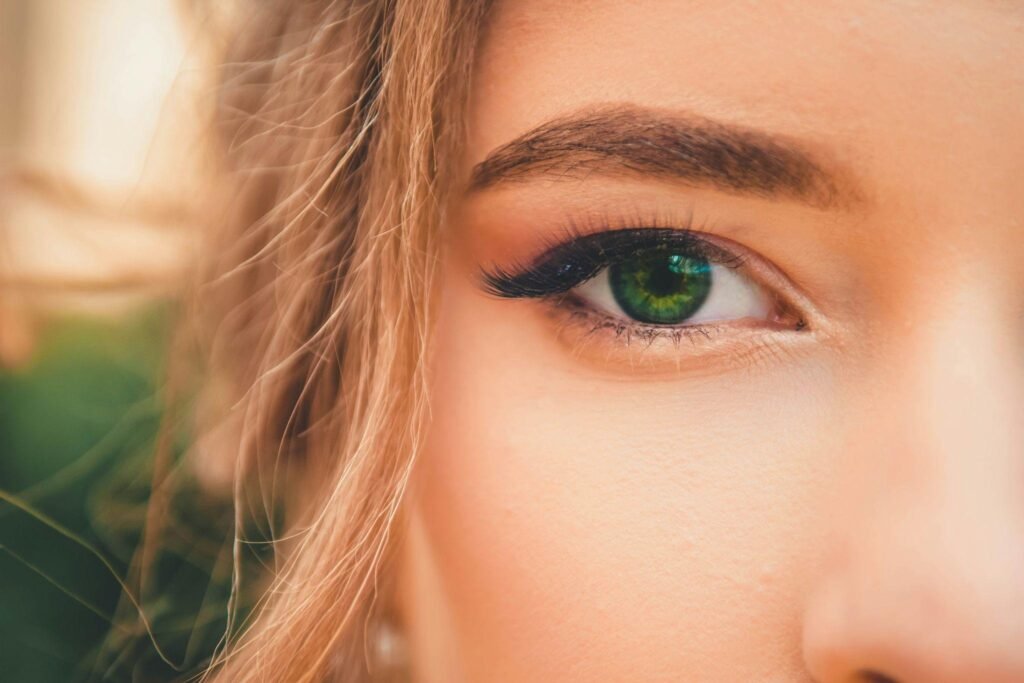
Proper isolation is one of the most important technical skills in eyelash extension application. Each extension should be attached appropriately to an individual natural lash, preventing neighbouring lashes from becoming bonded together.
Beginners sometimes rush this process because isolation requires patience and precise hand movements. Unfortunately, poor separation can cause discomfort when natural eyelashes grow at different rates.
Stuck-together lashes may create pulling sensations, uneven shedding, and unnecessary tension along the lash line.
Technicians should practise isolation regularly using suitable training materials before working independently with clients.
Good lighting, appropriate tweezers, and comfortable working positions can make precise application easier.
It is also important to check completed sections throughout the appointment rather than waiting until the entire set is finished.
Developing reliable isolation techniques improves both the appearance and wearability of extensions while reducing avoidable application problems.
Using Too Much Adhesive During Application
Adhesive control is another common challenge for new lash technicians. Applying excessive glue may seem like a way to improve retention, but unnecessary product can create bulky attachment points and cause neighbouring lashes to stick together.
Using too little adhesive can also affect retention, particularly when the extension does not achieve suitable contact with the natural lash.
Technicians should follow the adhesive manufacturer’s instructions regarding application quantity, working conditions, and curing requirements.
Temperature and humidity can influence adhesive performance, making environmental monitoring useful in professional treatment rooms.
Fresh adhesive should be stored and handled according to product guidance, with attention to shelf life and contamination prevention.
Beginners benefit from practising consistent dipping techniques and learning to recognise appropriate attachment points.
Precise adhesive application helps produce cleaner lash sets and reduces the likelihood of avoidable technical problems.
Neglecting Hygiene and Proper Equipment Maintenance
A clean treatment environment is essential for professional lash services. Beginners sometimes focus so heavily on application techniques that they overlook the importance of maintaining organised workstations and following appropriate hygiene procedures.
Reusable tools should be cleaned and disinfected according to applicable requirements, while single-use materials must be discarded after treatment.
Hands should be cleaned appropriately, and treatment surfaces prepared between appointments.
Technicians must also prevent adhesive products, cleaning solutions, and other potentially irritating substances from contacting clients’ eyes or skin.
Organised storage helps keep supplies protected and allows technicians to locate essential materials without interrupting appointments.
Maintaining consistent hygiene standards protects clients and supports the professional image of the business.
A well-prepared workstation also makes treatments more efficient, allowing technicians to concentrate fully on delivering accurate applications.
Forgetting Aftercare Instructions and Client Communication
Successful lash treatments do not end when the final extension is applied. Clients need clear instructions about maintaining their lashes and recognising potential problems.
Beginners sometimes provide rushed explanations or assume customers already understand appropriate aftercare.
Technicians should explain gentle cleansing, suitable products, and why rubbing or pulling extensions can damage natural lashes.
Clients should also understand when maintenance appointments may be appropriate and why natural shedding affects extension retention.
Providing written aftercare instructions can make important information easier to remember.
Clear communication about expected results and maintenance requirements helps prevent misunderstandings and supports better customer satisfaction.
Becoming a skilled lash technician takes practice, patience, and attention to detail. By prioritising consultations, choosing suitable extensions, improving isolation, controlling adhesive application, and maintaining hygiene, beginners can build a strong professional foundation.
These habits help create beautiful, comfortable lash sets while encouraging the trust and client loyalty essential for a successful beauty career.