 Awais Abbasi
 Saira Munsif
Published on: 21 Nov 2026, 9:41 pm
Updated on: 21 Nov 2026, 9:42 pm
The beauty industry is changing as more people look for ways to enjoy professional-inspired treatments without leaving home. From skincare devices and facial massage tools to home saunas and relaxation rituals, consumers are investing in experiences that once seemed exclusive to salons and wellness centres.
For beauty professionals, this shift represents an opportunity to develop new services, strengthen client relationships, and position themselves as trusted sources of advice. Clients may still appreciate professional treatments, but they increasingly want to extend those experiences into their everyday routines.
The key is understanding which at-home wellness trends genuinely interest clients and how professional expertise can complement them. Rather than competing with home treatments, salons and independent practitioners can help customers make informed choices while offering experiences they cannot easily recreate themselves.
These practical strategies can help beauty businesses respond to changing expectations while maintaining the personal attention that makes professional services valuable.
Understand Why Clients Are Investing in Home Wellness
Convenience is one of the strongest reasons behind the growing interest in at-home spa experiences. Busy professionals, parents, and people with demanding schedules appreciate relaxation options that fit around their existing commitments.
Home saunas are one example of this trend. Consumers researching a diy infrared sauna can explore Premium Saunas’ guidance on planning a personal sauna installation, including considerations associated with creating a dedicated wellness space. This interest reflects how seriously some customers approach making their homes more comfortable and relaxation-focused.
For beauty professionals, conversations about these interests can reveal valuable information about client preferences. Someone investing in a home wellness area may also appreciate skincare consultations, professional facials, or recommendations for maintaining an enjoyable self-care routine.
Ask clients which treatments they already enjoy at home and what they would like to learn. Their answers can provide more useful direction than simply following whichever wellness trend is receiving the most attention online.
Offer Treatments That Complement Home Skincare Routines
At-home skincare devices and increasingly sophisticated cosmetic products have made consumers more interested in understanding their skin.
This creates opportunities for beauty professionals to provide personalised guidance rather than relying exclusively on individual treatments.
A facial appointment, for example, can include a discussion about cleansing habits, moisturisers, exfoliation, and product application techniques. Clients often appreciate learning how to organise their existing products into a manageable routine.
Consider introducing consultations that help customers identify suitable skincare textures and understand the order in which products should be applied.
Professionals can also demonstrate practical techniques, such as gently massaging cleanser across damp skin or applying moisturiser while the skin is still slightly hydrated.
These details give clients something useful to practise between appointments.
A professional treatment becomes more memorable when customers leave with knowledge that improves their everyday experience.
Make Professional Spa Visits Feel More Personal
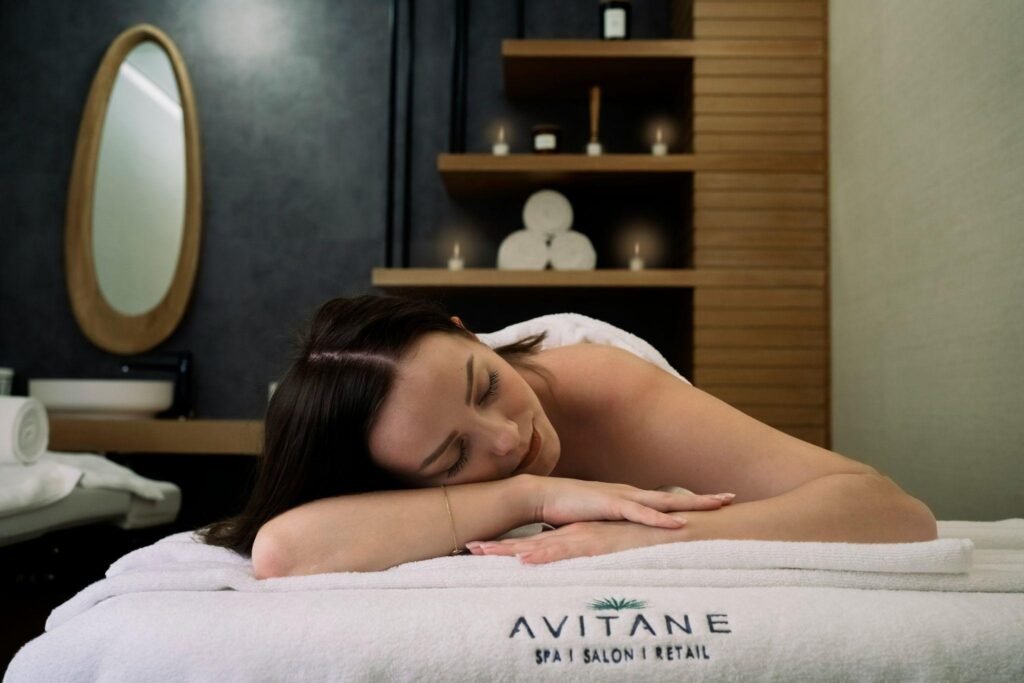
As home wellness spaces become more comfortable, salons have additional reasons to make their own environments distinctive.
Clients visiting a professional spa should feel that they are enjoying an experience thoughtfully designed around their preferences.
Start by considering the complete appointment journey. A welcoming reception, comfortable treatment room, suitable lighting, and clear communication all contribute to the atmosphere.
Small details can make a surprisingly strong impression. Warm towels, an organised consultation process, and appropriate background music help create a relaxing setting.
Offer clients reasonable choices where possible. Some may prefer quiet appointments, while others enjoy discussing products and treatments with their beauty therapist.
Personalisation does not necessarily require expensive equipment. Remembering a returning client’s preferences and preparing the treatment room accordingly can make the visit feel particularly thoughtful.
Create Practical Home-Care Advice Clients Will Remember
Many clients leave beauty appointments with good intentions but struggle to remember detailed product recommendations.
Simple, personalised guidance can make professional advice more useful.
Instead of providing a long list of products, recommend a manageable routine based on the client’s existing habits. For example, someone with limited morning time might benefit from a straightforward cleansing, moisturising, and sun-protection routine.
Written instructions can help clients remember application order, recommended frequency, and relevant product information.
Short demonstration videos offer another useful option. A beauty therapist could show how to apply a facial mask evenly or use a cooling facial tool comfortably.
The advice should remain within the professional’s training and qualifications, with medical concerns referred to an appropriate healthcare practitioner.
Useful educational content can strengthen client confidence while giving customers additional reasons to return for professional guidance.
Introduce Flexible Services for Busy Customers
The appeal of home treatments often comes from their flexibility, making convenience an important consideration for beauty businesses.
Review whether your appointment structure reflects how clients actually organise their days.
Shorter express treatments can appeal to customers who want professional attention during lunch breaks or between other commitments.
A thirty-minute facial, focused brow appointment, or targeted skincare consultation may be easier to schedule than an extended spa package.
Online booking and clear treatment descriptions can also improve convenience. Customers should be able to understand what an appointment includes, how long it lasts, and what preparation is required.
For regular visitors, consider offering a consistent maintenance schedule based on their preferences.
The objective is to make professional beauty services easy to incorporate into everyday life without compromising treatment quality.
Use At-Home Wellness Trends to Strengthen Client Relationships
The popularity of home spa treatments provides beauty professionals with opportunities to develop more engaging conversations and educational content.
A salon might publish practical guides explaining how to create a relaxing evening skincare routine, choose comfortable facial accessories, or prepare for a professional treatment.
Workshops can also introduce clients to useful skills, including basic facial massage techniques and effective product application.
Social media offers space for short demonstrations, product explanations, and discussions about seasonal skincare needs.
Rather than presenting home wellness as an alternative to professional beauty services, demonstrate how the two experiences can work together.
The future of the beauty industry is likely to involve customers taking a more active interest in their personal care between appointments. Businesses that recognise this development can adapt their services while preserving the expertise, individual attention, and welcoming atmosphere that clients value.
By combining practical education, flexible appointments, and personalised professional experiences, beauty practitioners can make at-home wellness trends an opportunity for lasting business growth.