 Awais Abbasi
 Saira Munsif
Published on: 27 Nov 2026, 6:03 am
Updated on: 27 Nov 2026, 6:03 am
The modern spa experience looks remarkably different from what it did a decade ago. While traditional massages, facials, and relaxation treatments remain popular, many wellness destinations now offer sophisticated technologies that were once associated primarily with medical clinics and specialist facilities.
From laser treatments and personalised skin analysis to recovery-focused equipment and advanced facial procedures, the industry is expanding beyond conventional beauty services. Clients increasingly want experiences that combine professional expertise, innovative technology, and treatments tailored to their individual preferences.
This transformation is also changing how spas operate. Consultations are becoming more detailed, treatment menus more specialised, and long-term skincare plans more common.
Whether you’re considering a new aesthetic treatment or simply curious about emerging wellness trends, understanding these developments can help you appreciate what modern spas have to offer.
Hyperbaric Technology Is Attracting Attention in Wellness Spaces
One emerging area of interest involves pressure-based technologies and equipment traditionally associated with specialised healthcare environments.
Hyperbaric chambers have attracted attention among fitness enthusiasts, athletes, and wellness businesses exploring different approaches to recovery-focused experiences.
For readers interested in the relationship between athletic performance and specialised wellness equipment, Oxify’s guide to hyperbaric chamber athletes provides an introduction to the subject. Exploring these technologies offers an opportunity to understand chamber configurations, operating principles, and the growing range of equipment available to specialised facilities.
The increasing visibility of hyperbaric equipment reflects a broader interest in technology-led personal care and dedicated wellness environments.
However, medical hyperbaric oxygen therapy is distinct from lower-pressure wellness systems. Its established medical uses involve specific clinical protocols, while claims concerning athletic recovery and general wellness require further evidence.
Professional supervision, appropriate equipment standards, and clear information about treatment suitability remain important considerations.
Advanced Facial Treatments Are Becoming More Personalised
Traditional facials generally focused on cleansing, exfoliation, and moisturising. Modern aesthetic clinics increasingly offer treatments selected according to detailed skin assessments and individual goals.
Hydrating facial procedures, professional chemical peels, and specialised exfoliation techniques are among the options available.
Some clinics combine these services with digital imaging systems that examine visible skin characteristics, helping practitioners discuss concerns such as texture, pigmentation, and uneven appearance.
Instead of choosing treatments based solely on popularity, clients can receive recommendations that consider their skin history, sensitivity, and desired outcomes.
Professional chemical peels, for example, vary considerably in strength and depth. Selecting an appropriate procedure requires understanding both the expected effects and the recovery involved.
A carefully planned consultation helps establish realistic expectations and identify treatments suitable for individual circumstances.
Laser and Light-Based Treatments Are Expanding Aesthetic Options
Laser technology has become an important part of contemporary aesthetic medicine.
Different systems are used for concerns including unwanted hair, certain pigmentation irregularities, vascular lesions, and aspects of skin resurfacing.
Intense pulsed light, commonly called IPL, is another technology offered by some aesthetic clinics. Although often discussed alongside lasers, it uses a broad spectrum of light rather than a single laser wavelength.
Treatment selection depends on several factors, including skin tone, medical history, and the specific concern being addressed.
Clinics may use different devices for different purposes, making practitioner training and equipment selection particularly important.
Clients should understand the number of sessions that might be required, anticipated recovery periods, and appropriate aftercare.
Modern aesthetic treatments offer increasingly targeted possibilities, but professional assessment remains essential to choosing an approach that fits the individual.
Microneedling Is Changing Conversations About Skin Texture
Microneedling has become another prominent treatment within the aesthetic industry.
The procedure involves creating controlled microscopic punctures in the skin using specialised equipment. It is offered by qualified practitioners for certain concerns involving skin texture and the appearance of scars.
Some clinics also provide radiofrequency microneedling, which combines needle penetration with radiofrequency energy delivered into the skin.
These approaches have different mechanisms, equipment requirements, and potential effects.
An initial consultation should explore the client’s goals, relevant skin conditions, and whether the procedure is appropriate.
Treatment depth and technique can influence both the experience and the time needed for recovery.
Although social media frequently showcases dramatic transformations, individual outcomes vary, and multiple appointments may be necessary.
The growing popularity of these procedures demonstrates why reliable professional advice matters in an industry filled with rapidly evolving treatment options.
Digital Skin Analysis Is Influencing Treatment Planning
Artificial intelligence and advanced imaging are beginning to shape the consultation process in beauty and aesthetic clinics.
Some systems analyse photographs to estimate visible characteristics such as wrinkles, pore appearance, and uneven pigmentation.
Others allow practitioners to record progress across appointments and compare images taken under standardised conditions.
These tools can make conversations more specific by giving clients a visual reference for discussing their goals.
However, image quality, lighting, and software limitations can influence results. Digital analysis should support professional judgement rather than replace an appropriate medical assessment.
For spas, the most valuable applications may be those that simplify recordkeeping, improve communication, and help develop more consistent treatment plans.
As technology advances, transparency about how personal images are stored and processed will become increasingly important.
Luxury Spas Are Combining Technology With Traditional Relaxation
Despite the popularity of sophisticated treatments, relaxation remains an important part of the spa experience.
Many premium facilities now combine established services with advanced equipment, creating programmes that offer different experiences within the same setting.
A visit might include a professional skin consultation, an appropriate aesthetic procedure, and time spent in a peaceful relaxation area.
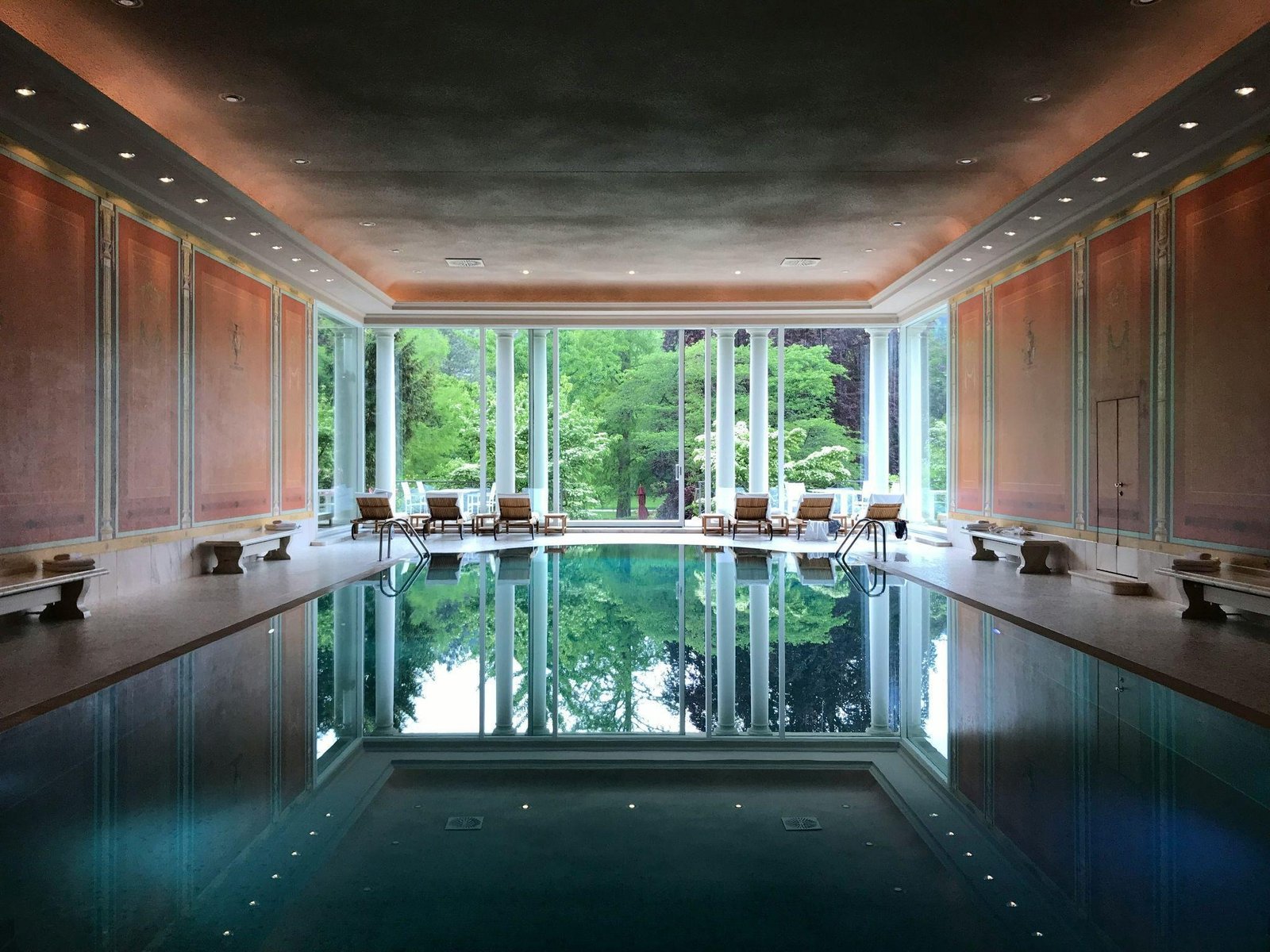
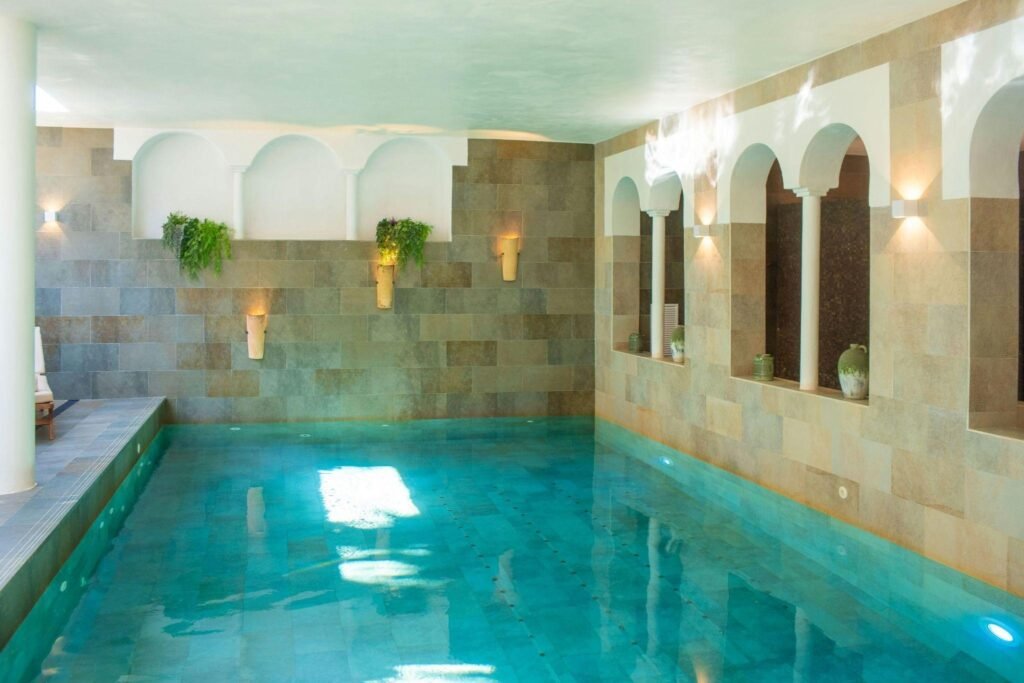
Interior design contributes significantly to this atmosphere. Adjustable lighting, comfortable treatment rooms, natural materials, and carefully managed sound can make clinical-looking equipment feel more integrated into the setting.
Personalised scheduling is another developing feature, allowing clients to arrange appointments around their preferences and available time.
These improvements demonstrate that technology and traditional hospitality can complement each other.
Professional Expertise Remains Central to the Future of Aesthetics
The aesthetic and wellness industries will likely continue introducing new devices, techniques, and personalised services.
However, technological sophistication alone does not determine treatment quality.
Professional qualifications, appropriate assessment, informed consent, and clear explanations remain central to responsible aesthetic care.
Clients benefit from understanding what a procedure is designed to accomplish, how outcomes are evaluated, and whether alternative approaches might better suit their goals.
As advanced treatments become more accessible, the distinction between cosmetic wellness services and regulated medical procedures will remain particularly important.
The future of spa and aesthetic care is therefore not simply about offering more technology. It is about combining innovation, professional knowledge, and thoughtfully designed experiences.
When these elements work together, modern spas can provide increasingly personalised services while preserving the comfort and individual attention that have always made professional personal care appealing.