 Awais Abbasi
 Saira Munsif
Published on: 29 Nov 2026, 4:37 pm
Updated on: 29 Nov 2026, 4:37 pm
Sourcing aesthetic injectables is an important responsibility for any clinic. Product authenticity, regulatory compliance, storage conditions, and supplier reliability all have a direct impact on the quality of treatments and patient safety.
Calcium hydroxylapatite (CaHA) fillers have become an established option in aesthetic medicine due to their volumizing and collagen-stimulating properties. However, sourcing these products requires careful consideration, particularly when purchasing through wholesale distributors.
This guide covers the key factors aesthetic professionals should consider when sourcing CaHA fillers for their practices.
Understanding Calcium Hydroxylapatite Fillers
Calcium hydroxylapatite fillers consist of synthetic CaHA microspheres suspended in a gel carrier. They provide immediate volume correction while stimulating the body’s natural collagen production over time.
Unlike traditional hyaluronic acid fillers, CaHA fillers work through both volume replacement and biostimulation. Depending on the product’s approved indications, they may be used for facial contouring, correcting volume loss, and reducing the appearance of certain facial folds.
Radiesse: An Established CaHA Filler in Aesthetic Medicine
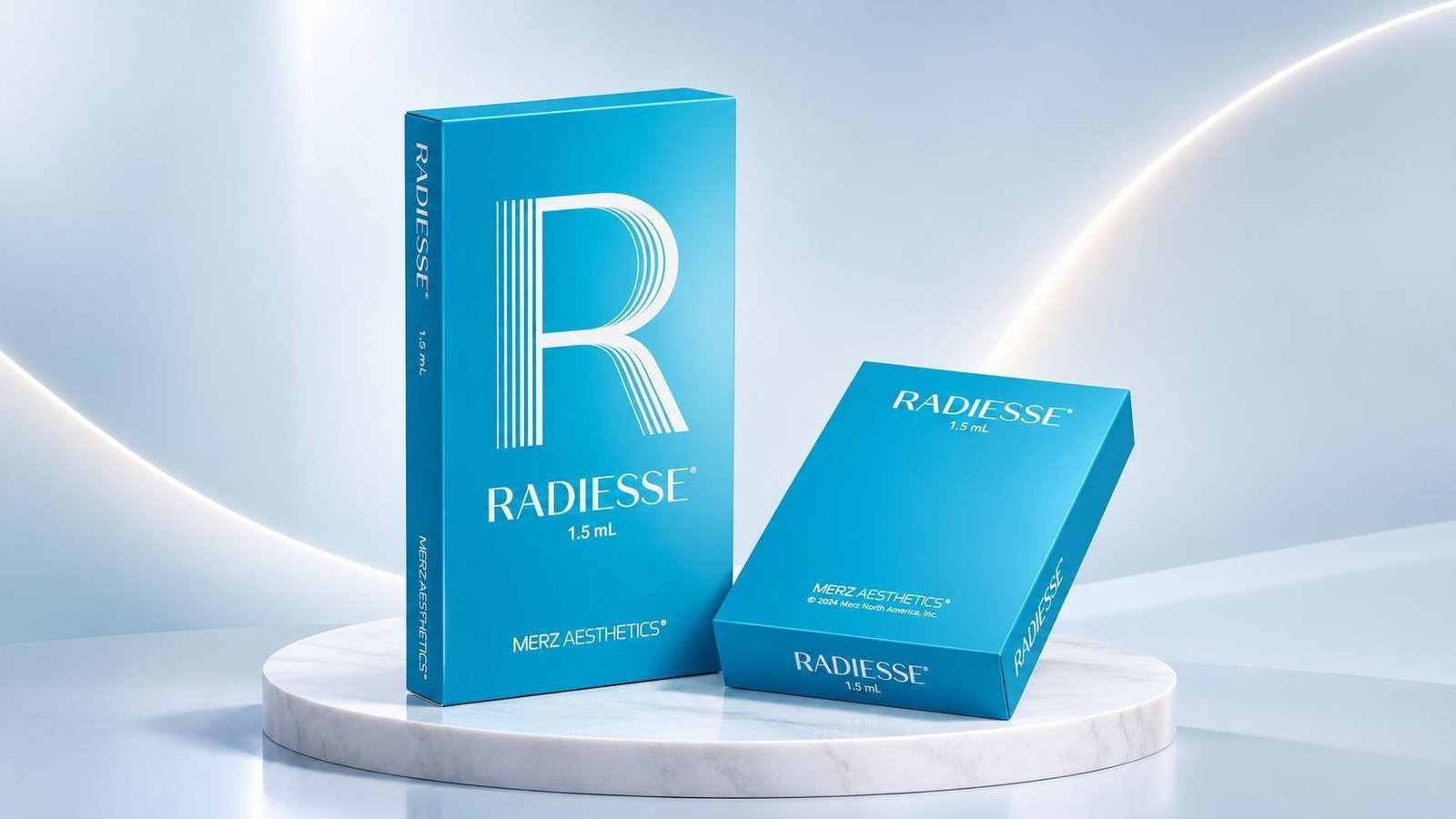
Manufactured by Merz Aesthetics, Radiesse is one of the most widely recognized calcium hydroxylapatite fillers. Its formulation contains CaHA microspheres suspended in a water-based gel carrier, providing immediate volume correction while supporting new collagen formation over time.
Radiesse is used in aesthetic medicine to address facial volume loss, improve facial contours, and correct certain wrinkles and folds. It is also used for hand rejuvenation in markets where this indication is approved.
The combination of immediate correction and gradual collagen stimulation makes Radiesse a valuable addition to an aesthetic clinic’s treatment portfolio.
For clinics offering Radiesse treatments, maintaining a consistent supply of authentic products is an important part of treatment planning and quality assurance.
1. Choose a Reliable Wholesale Supplier
The supplier you work with is just as important as the product you purchase. A reliable supplier should have an established business presence, transparent sourcing practices, and experience in the aesthetic medical device industry.
Before placing an order, check the supplier’s company registration, business address, industry experience, and relevant distribution credentials. A professional supplier should also be able to provide information about product origin and traceability.
When selecting a Radiesse supplier, clinics should look for transparent product sourcing, verifiable batch information, adequate shelf life, and consistent product availability.
Building a long-term relationship with a dependable supplier can also help clinics simplify procurement, maintain appropriate stock levels, and manage purchasing costs.
2. Verify Product Authenticity Before Purchasing
Counterfeit aesthetic injectables can be difficult to identify based on packaging alone. Some counterfeit products closely resemble genuine ones, including their branding, labels, and security features.
When purchasing CaHA fillers, pay attention to the following:
- Product batch or LOT number
- Expiration date
- Manufacturer information
- Packaging quality and integrity
- Product labeling
- Instructions for use
- Product origin and traceability
Ask your supplier for batch numbers and expiration dates before confirming a large order. If there are concerns about authenticity, contact the manufacturer or its local representative for verification.
Remember that professional-looking packaging alone does not guarantee product authenticity.
3. Check Regulatory Compliance
A genuine product is not necessarily approved for sale or use in every country. Regulatory requirements for aesthetic injectables vary between markets, making compliance an essential part of the purchasing process.
For clinics operating within the European Union, relevant CE marking and compliance with applicable medical device regulations should be verified. Clinics in other regions should check the requirements established by their respective regulatory authorities.
It is also important to verify the specific product variant rather than relying solely on the brand’s regulatory status. Different formulations, packaging sizes, and intended uses may have different approvals.
A knowledgeable supplier should be transparent about the regulatory status of the products it distributes.
4. Understand the Difference Between Official and Parallel Distribution
Aesthetic injectables may reach clinics through official manufacturer distribution networks or parallel distribution channels.
Parallel imports are genuine products sourced outside the manufacturer’s official distribution network. They are not inherently counterfeit. However, their legality and regulatory compliance depend on the destination market and applicable import requirements.
When purchasing through either channel, clinics should verify product origin, supply chain transparency, and regulatory compliance.
The priority should always be sourcing genuine, legally supplied products with adequate documentation and traceability.
5. Evaluate Storage and Shipping Conditions
Product authenticity is only one part of quality assurance. Even genuine aesthetic injectables can be compromised if they are stored or transported under unsuitable conditions.
CaHA fillers must be handled according to the manufacturer’s storage and transportation requirements. Exposure to inappropriate temperatures or damage to sterile packaging may affect product integrity.
Before selecting a wholesale supplier, ask about its storage facilities, shipping procedures, and handling practices.
International buyers should also consider potential customs delays and extended transit times, particularly when ordering larger quantities.
Once products arrive, clinic staff should inspect the packaging, verify expiration dates, and store the injectables according to the manufacturer’s instructions.
6. Be Cautious of Unusually Low Prices
Wholesale purchasing can help aesthetic clinics reduce their operating costs. However, price should never be the only factor influencing a purchasing decision.
Legitimate price differences can result from regional pricing, order quantities, distribution arrangements, and supplier operating costs. A lower price does not automatically indicate a counterfeit product.
Nevertheless, prices that are significantly below prevailing market rates deserve closer examination.
When comparing wholesale offers, consider the overall value of the purchase, including product authenticity, remaining shelf life, shipping costs, documentation, and supplier reliability.
Saving money on procurement should not come at the expense of patient safety or professional reputation.
7. Consider Shelf Life When Buying in Bulk
Bulk purchasing can be financially beneficial for clinics with consistent patient demand. However, ordering more products than the clinic can reasonably use may lead to unnecessary inventory waste.
Before placing a wholesale order, consider your monthly treatment volume, existing inventory, and anticipated patient demand.
Always confirm the remaining shelf life of the products with your supplier. Clinics should also follow a first-expire, first-out inventory management system to minimize the risk of products expiring before use.
A well-planned purchasing strategy allows clinics to benefit from wholesale pricing without tying up unnecessary capital in unused inventory.
8. Maintain Proper Purchasing and Traceability Records
Every aesthetic clinic should have a clear system for documenting the injectables it purchases and uses.
Keep records of supplier invoices, purchase dates, product names, batch numbers, and expiration dates. Where applicable, record the batch number of each injectable in the corresponding patient’s treatment records.
Proper documentation makes it easier to respond to product recalls, investigate potential adverse events, and demonstrate compliance during regulatory inspections.
If a product is suspected to be counterfeit or compromised, isolate it from usable inventory and report the issue to the relevant authorities where required.
Final Thoughts
Sourcing authentic calcium hydroxylapatite fillers requires more than finding a competitive wholesale price. Aesthetic clinics must consider supplier credibility, product traceability, regulatory compliance, storage conditions, and inventory requirements.
Establishing a consistent procurement process and working with reliable suppliers can help clinics reduce unnecessary risks, maintain product availability, and protect their professional reputation.
Ultimately, responsible sourcing is an essential part of delivering safe and high-quality aesthetic care.